
USDA Releases $8.4 Million to Help American Farmers Break Into Global Markets
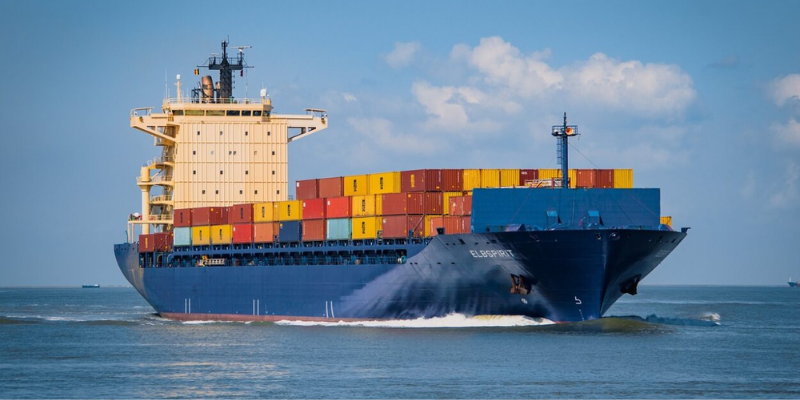
The U.S. Department of Agriculture is putting more than $8.4 million to work for American farmers and ranchers, with a new round of export funding that could prove especially meaningful for California, the nation’s largest agricultural exporter and home to a wide range of the specialty crops at the center of the investment.
What Was Announced
On April 2, 2026, USDA’s Foreign Agricultural Service announced the funding through three programs: the Technical Assistance for Specialty Crops program, the Emerging Markets Program, and the Quality Samples Program.
According to the agency, all three programs are designed to deliver measurable results for American farmers, ranchers, and producers by reducing technical trade barriers, opening new markets, and meeting growing international demand for high-quality U.S. agricultural products.
USDA Undersecretary for Trade and Foreign Agricultural Affairs Luke Lindberg framed the announcement in direct terms. “These programs drive growth for U.S. agricultural exports, giving American farmers and ranchers the tools they need to break through unnecessary trade barriers and explore new markets,” Lindberg said.
How the Money Is Divided
The funding is split across the three programs with distinct purposes for each. USDA will award $3.5 million through the Technical Assistance for Specialty Crops program to nine U.S. recipients to address sanitary, phytosanitary, or technical barriers that limit or threaten the export of U.S. specialty crops, with eligible projects including pre-clearance programs, workshops, field visits, study tours, and pest and disease research.
The Emerging Markets Program will receive $3.8 million distributed to 16 U.S. recipients working to expand access to emerging markets, with funding supporting market assessments, travel, and technical assistance to promote long-term export growth.
The Quality Samples Program rounds out the package with $1.1 million going to eight U.S. recipients to provide samples of U.S. agricultural products to potential overseas buyers, allowing those buyers to test and confirm quality before committing to commercial purchases.
Importantly, this is only the beginning. The agency described this disbursement as the initial tranche of funding, with three additional rounds expected before the end of fiscal year 2026.
Why It Matters for California
California produces more than 400 agricultural commodities, and its specialty crops, from almonds and pistachios to citrus, grapes, and stone fruit, are precisely the kind of products these programs are built to support. The Technical Assistance for Specialty Crops program, in particular, targets the regulatory and scientific hurdles that often block foreign markets from accepting American-grown produce, whether that’s a pest quarantine requirement, a pesticide residue standard, or a phytosanitary inspection protocol.
That relevance is timely. California’s agricultural export sector has taken significant hits in recent years from retaliatory trade measures, particularly with China. Programs that help commodity groups navigate technical barriers and introduce U.S. products to new or emerging markets offer a concrete pathway to rebuilding lost ground, without waiting on broader diplomatic negotiations.
USDA has noted that its market development programs, taken as a whole, return an estimated $24.50 for every dollar invested USDA Foreign Agricultural Service, a return-on-investment figure the agency regularly cites when justifying continued funding for export promotion.
The Broader Context
The announcement is part of a more active posture by USDA on international trade this spring. In recent weeks, the agency has led trade missions to Vietnam and the Philippines, and has announced upcoming trips to additional markets across Asia, Europe, and South America, all aimed at expanding the commercial footprint of U.S. agricultural goods abroad.
The Technical Assistance for Specialty Crops program is administered by USDA’s Foreign Agricultural Service, which partners with non-profit agricultural trade associations, farmer cooperatives, state-regional trade groups, state agencies, and small businesses to expand market access and conduct overseas marketing activities on behalf of U.S. producers and processors. USDA Foreign Agricultural Service Awards can run up to $500,000 per year for projects lasting as long as five years.
For California growers and agricultural organizations interested in applying for future tranches of funding, information on all FAS export programs is available at fas.usda.gov/programs.