
The Knock You Don’t See Coming: What Really Happens When Cal/OSHA Shows Up at Your Farm
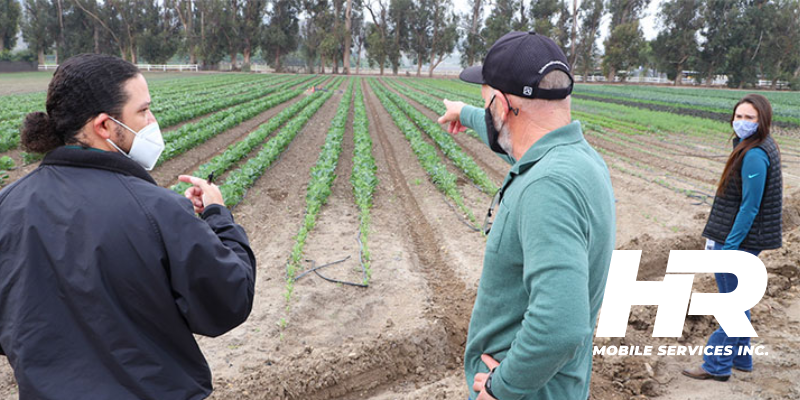
Picture it: a truck pulls up to your property, unannounced. The person who gets out isn’t a buyer, a vendor, or a neighbor. It’s a Cal/OSHA officer, and they’re here to inspect your operation.
For most agricultural employers, that moment feels like it comes out of nowhere. But it almost never does. Inspections follow patterns, triggers, and a process that’s far more predictable than most people realize, once you know what to look for. The employers who get blindsided aren’t the ones who got “unlucky.” They’re the ones who didn’t know the rules of the game until they were already standing in the middle of it.
Here’s what’s actually driving these inspections, what inspectors look at, and why the businesses that prepare in advance walk away in a completely different position than the ones who don’t.
One Visit, Multiple Agencies: Meet the Labor Enforcement Task Force
Here’s something a lot of employers don’t know until it’s too late: a single inspection can pull in more than one agency at once. California’s Labor Enforcement Task Force (LETF) coordinates oversight across Cal/OSHA, the Labor Commissioner’s Office, the Employment Development Department, and others. Instead of operating separately, these agencies share information and sometimes show up together, which means one visit can snowball into a review of multiple parts of your business simultaneously.
So what exactly are they digging into? When agencies review an agricultural operation, they’re typically looking at:
- Payroll records: to confirm wages, overtime, and piece-rate compensation are calculated and paid correctly
- Time records: to verify rest breaks, meal periods, and hours worked are properly tracked
- Workers’ compensation: to ensure coverage is active and claims are being handled appropriately
- Safety programs: to check that required written programs (like Heat Illness Prevention and Injury and Illness Prevention Programs) are not just on paper, but actually being implemented
Why Your Industry Is Already on the Radar
Agriculture isn’t randomly singled out, it’s consistently one of the most heavily scrutinized industries in the state, and for reasons that won’t surprise anyone who’s worked in it. Physical labor, heat exposure, heavy machinery, and a workforce that often includes seasonal or non-English-speaking employees are all factors that historically correlate with higher injury and wage-violation rates. The data puts a target on the industry before any individual employer does anything wrong. That means the bar for staying off an agency’s radar is higher for ag operations than it is almost anywhere else.
The Myth of “It Probably Won’t Happen to Me”
Here’s a fact that surprises a lot of employers: the number of Cal/OSHA inspectors relative to the number of worksites in California is actually pretty small. Truly random, walk-in inspections are rarer than most people assume. So what’s really triggering most visits?
- Employee complaints: a current or former worker contacts the agency with a concern
- Injuries: a reportable injury, especially a serious one, almost always prompts a visit
This is the part that should change how you think about risk. Because inspectors can’t be everywhere, many employers quietly assume that since they haven’t been inspected yet, they’re unlikely to be. That assumption is exactly what makes them vulnerable. All it takes is one disgruntled employee or one workplace injury to put your entire operation under a microscope and by then, it’s too late to “get ready.” Waiting until something happens doesn’t just increase your odds of a citation. It changes how the entire inspection unfolds, because you’re scrambling instead of standing on solid ground.
Inside the Inspection: What Actually Happens, Step by Step
Inspections generally begin one of three ways: a worker complaint, a reported injury, or, less commonly, a random selection tied to a high-hazard industry designation. Regardless of the trigger, the process tends to follow a similar structure, and knowing it ahead of time is the single biggest advantage you can have.
The Opening Conference
When an inspector arrives, the first step is credential verification. A legitimate Cal/OSHA officer will present identification confirming who they are and which agency they represent. At this point, it’s reasonable and recommended, to pause briefly and get the owner or highest-ranking person on-site involved before the inspection proceeds.
Once that person is present, the opening conference begins. During this conversation, the officer will explain what prompted the visit and what they intend to review, which typically includes:
- Written safety programs
- Injury and illness logs (OSHA 300 logs)
- Training records
The Walk-Around Inspection
After the opening conference, the officer conducts a physical walk-through of the worksite. This is where they observe actual working conditions, equipment, and practices firsthand, comparing what’s happening on the ground to what’s documented on paper.
Employee Interviews
Inspectors typically speak directly with employees, separate from management. These interviews give the officer a sense of whether safety practices and policies are actually being followed day to day, not just written down.
The Exit Conference
Once the walk-around and interviews are complete, the officer holds an exit conference to summarize what they observed before leaving the property. This isn’t necessarily a final verdict, it’s a checkpoint.
The Citation Timeline: The Part Most Employers Get Wrong
Here’s a detail that catches almost everyone off guard: the inspector doesn’t have to decide on the spot whether violations occurred. Cal/OSHA has up to six months after the inspection to issue citations. That means walking away from the exit conference without an immediate citation isn’t a clean bill of health, it’s just the beginning of a waiting period. And during that window, accurate, defensible documentation is what stands between you and a costly outcome.
The Real Difference Between Employers Who Get Burned and Those Who Don’t
The common thread through all of this is timing. Inspections are most often triggered by events you can’t fully control, an injury, a complaint, but how prepared you are when that trigger happens is entirely within your control. Employers who treat compliance as an ongoing practice, rather than a scramble after the fact, are in a far stronger position when an inspector does show up. The difference isn’t luck. It’s preparation.
That means keeping payroll and time records accurate and audit-ready, maintaining workers’ comp documentation, and making sure safety programs aren’t just written, but trained on, practiced, and logged.
How HR Mobile Services Can Help
Navigating a Cal/OSHA inspection or better yet, preparing so you’re never caught off guard by one, doesn’t have to be something you handle alone. HR Mobile Services’ Safety and Health Division works with agricultural employers to get ahead of these situations through:
- Pre-inspection audits to identify and correct gaps before an inspector ever sets foot on your property
- Supervisor coaching so your team knows how to respond calmly and correctly if an inspection occurs
- Document preparation to ensure your payroll, training, and safety records are organized and ready to be reviewed
Being proactive doesn’t just reduce your risk of citations, it gives you confidence that your operation is protecting its people and standing on solid ground. If you’d like help assessing where your business stands, HR Mobile Services is ready to assist.