
Roundup Settlement Now Final: Farmers Are First in Line for Payouts. Here’s How to Claim.
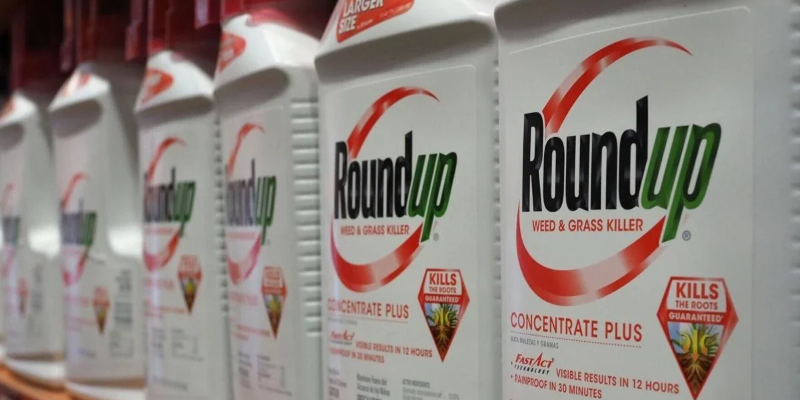
The biggest legal fight in modern farm chemical history just reached the finish line, at least for now. On Friday, Nov. 20, a Missouri state court gave final approval to Monsanto’s nationwide Roundup class settlement. The deal covers current and future claims that exposure to the herbicide caused non-Hodgkin lymphoma (NHL).
For California farmers, PCAs, applicators and field crews, this is more than a Wall Street headline. The settlement class specifically includes people who used glyphosate on the job. Anyone who qualifies and doesn’t track the deadlines could leave money on the table.
What the court approved
Under the terms Bayer released Friday, Monsanto will pay up to $7.25 billion, counting payments already made. The money goes out in annual installments that are capped, shrink over time and last up to 21 years. The company stresses that the agreement includes no admission of liability or wrongdoing.
The approval isn’t completely final yet. The order can still be appealed, and Bayer says an appeal would put Monsanto’s payments on hold until every appeal is resolved.
Who’s covered, and why farmers are front and center
You’re in the settlement class if you were exposed to Roundup before Feb. 17, 2026 and either have an NHL diagnosis now or get one within 16 years after the settlement takes effect.
The court-authorized settlement website lists farmers first, followed by landscapers, groundskeepers and gardeners. It also notes the settlement affects you even if you’ve never been diagnosed with cancer. A grower or crew member who is healthy today but develops NHL years from now can still file a claim later.
The official site advertises awards from about $6,000 to more than $165,000. According to DTN’s review of the court’s order, awards fall into nine tiers. The tiers depend on whether exposure was on the job or at home, the claimant’s age at diagnosis and whether the lymphoma is aggressive or slow-growing. To count as an occupational claimant, a person must show more than 80 hours of exposure in agricultural, industrial, turf or ornamental work. DTN also reports that Monsanto has already put $1 billion into the fund and set up a separate $1 billion security fund for future payments.
The deadlines that matter
According to the official settlement website:
- Already diagnosed with NHL: Register within 180 days of the court’s final approval, then file a full claim within 180 days after any appeals are resolved.
- Diagnosed in the future: You don’t need to register now. File your claim within six years of diagnosis and before the settlement’s 16th annual payment date.
- Opting out: That window closed June 4, 2026. Anyone who didn’t opt out is bound by the settlement’s terms.
If you or someone on your crew might qualify, sign up for updates on the settlement site now. That way you’ll be notified as soon as registration and claim forms open.
Why the Supreme Court ruling changed the math
This settlement didn’t happen in isolation. In June, the U.S. Supreme Court ruled 7–2 in Monsanto Co. v. Durnell that the federal pesticide law, FIFRA, blocks state-law claims arguing Monsanto should have put a cancer warning on a label the EPA approved without one. That decision took away the main legal theory behind most Roundup lawsuits.
Bayer calls the settlement and the Durnell ruling mutually reinforcing. It points to the first trial held after Durnell, the Aretino case, which ended in a unanimous verdict for the company. In practical terms, people who opted out of the settlement and want to sue on their own now face a much tougher road in court.
What it means for the jug in your shop
For growers, the bigger question has always been whether glyphosate stays on the market and stays affordable. Glyphosate is a workhorse in California orchards and on field edges. In Colusa County, state records show nearly 27,000 pounds of one glyphosate formulation were applied to walnuts alone in 2020, covering more than 11,000 acres.
With limits now placed on its litigation costs, the company has less reason to pull the product. Bayer has also moved its U.S. Roundup and glyphosate business into a separate company, Ruveon.
The price picture also improved this summer. As The Ag Center News reported in July, Monsanto and Ruveon asked federal trade officials to put steep duties on Chinese glyphosate, which drew sharp pushback from farm groups. That threat is gone for now: the companies withdrew their petitions on July 17, and the U.S. International Trade Commission ended its investigation.
What to watch next
- Appeals. Objectors have the right to appeal the approval order. An appeal would delay payments to everyone in the class.
- Registration opening. Watch the settlement website for the date registration opens. The 180-day clock for people already diagnosed starts at final approval.
- Remaining lawsuits. Bayer says it will keep fighting the remaining cases and apply the Durnell ruling against plaintiffs who opted out.
This article is for informational purposes and is not legal advice. Growers or workers with questions about their eligibility should contact the settlement administrator through the official website or speak with an attorney.