
Protecting Your Crew During The Summer Heat: What Every Agricultural Employer Needs to Know About Heat Illness Prevention
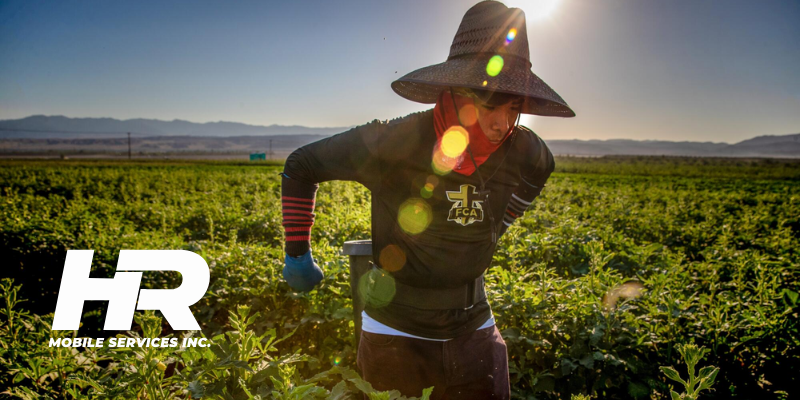
As temperatures climb across the Central Valley, one of the most important responsibilities on any farm operation is also one of the most preventable risks: heat-related illness. Every summer, agricultural workers are hospitalized, and in some cases lose their lives, due to heat exposure. The good news is that with the right preparation, the vast majority of these incidents never have to happen.
Here is what employers and supervisors need to know heading into the hottest months of the year.
Start Preparing Before the Heat Arrives
One of the most common mistakes employers make is waiting until the first heat wave to put safety measures in place. By then, it is too late to set up adequate shade, refresh training, or update emergency contacts.
Before summer peaks, take time to review your Heat Illness Prevention Program, walk your fields and facilities to evaluate water and shade resources, and make sure supervisors know exactly what is expected of them when temperatures rise. Emergency response procedures should also be reviewed and updated, particularly for remote field locations where communication can be challenging.
The Three Pillars: Water, Rest, and Shade
California’s Heat Illness Prevention Standard is built around three core protections. Understanding each one, and the specific requirements attached to them, goes a long way toward keeping crews safe and staying on the right side of Cal/OSHA.
Water Fresh, potable drinking water must be available to employees throughout the entire workday. A practical goal is to have enough water on hand for each worker to consume up to one quart per hour during hot conditions. Supervisors should actively encourage workers to drink regularly, not just when they feel thirsty, since thirst is often a late sign of dehydration.
Rest Employees must be allowed to take preventative cool-down rest periods whenever they feel they need one to protect themselves from overheating. This is not a break that needs to be earned or scheduled, it is a protective measure that can stop a minor heat issue from becoming a medical emergency.
Shade Shade rules are frequently misunderstood. When temperatures reach or exceed 80°F, shade must already be present and available, not provided on request. When temperatures are at or below 80°F, shade must still be available upon request. Shade structures should be positioned as close as practical to the work area and large enough to accommodate employees who may need time to recover.
A simple rule of thumb worth sharing with supervisors: “If employees can see the sun, they should be able to see the shade.”
When Temperatures Hit 95°F: High-Heat Procedures
Once outdoor temperatures reach 95°F or higher, employers are required to implement additional protections known as High-Heat Procedures. These go beyond the standard water, rest, and shade requirements and include:
- Holding a pre-shift safety meeting focused on heat risks
- Increasing supervisor observation of all crew members
- Using a buddy system or equivalent method so no employee is left unmonitored
- Maintaining reliable communication with field crews throughout the day
- Providing frequent reminders about hydration and shade use
The key word here is proactive. High-Heat Procedures are meant to be in place before conditions become dangerous, not activated after someone starts showing symptoms.
Pay Special Attention to New and Returning Workers
Acclimatization, the process by which the body adjusts to working in heat, takes time. Employees who are new to outdoor work, returning from an extended absence, or who have recently transferred to field positions are at significantly higher risk during their first one to two weeks of heat exposure.
During this period, employers should provide closer observation, additional encouragement to hydrate and rest, and more frequent check-ins. Many serious heat illness cases occur during the acclimatization window, making early monitoring one of the highest-value safety investments an operation can make.
Know the Warning Signs
Supervisors and crew members alike should be trained to recognize heat illness early. The sooner symptoms are identified, the easier it is to intervene before the situation becomes critical.
Early signs of heat exhaustion include heavy sweating, excessive thirst, headache, fatigue, dizziness, muscle cramps, nausea, and difficulty concentrating. An employee showing any of these signs should be moved to shade immediately, given water, and monitored closely.
Heat stroke is a medical emergency. Symptoms include confusion, slurred speech, loss of coordination, fainting, seizures, hot or red skin, and loss of consciousness. If heat stroke is suspected, call 911 immediately. Do not wait to see if the employee improves on their own.
A Five-Minute Checklist Before Every Shift
One of the most effective practices a supervisor can build into the daily routine is a brief heat safety check before work begins. Five questions, answered honestly, can prevent a serious incident later in the day:
- Is water available, stocked, and easy to access?
- Is shade already set up and positioned near the work area?
- What is today’s forecasted high temperature, and do we need High-Heat Procedures?
- Are there any new, returning, or newly assigned employees who need extra monitoring?
- Does everyone know what to do, and who to contact, if someone shows signs of heat illness?
Don’t Overlook Indoor Work Areas
Heat illness prevention is not limited to field work. California’s Indoor Heat Illness Prevention Standard applies when indoor temperatures reach 82°F or higher, a threshold that is frequently exceeded in packing sheds, warehouses, maintenance shops, processing facilities, greenhouses, and milk parlors during summer months.
Employers who assume indoor facilities are not a compliance concern may be surprised to find otherwise. When indoor temperatures reach 87°F, additional protections such as engineering controls, modified work schedules, and increased monitoring may be required.
Have a Plan for Emergencies
No heat illness prevention program is complete without a site-specific emergency response plan. Every employee and supervisor should know the exact location of the worksite, how to contact emergency services, who will guide responders to the affected worker, and what to do if emergency services are delayed in reaching a remote location.
A well-rehearsed emergency plan is not a sign that something will go wrong. It is the reason things are more likely to go right.
Additional Resources
Agricultural employers looking for guidance on building or updating their Heat Illness Prevention Program can reach out to HR Mobile Services, Inc., a workforce compliance firm that has supported California growers, dairies, packing facilities, and ag service providers since 2006. Their team works with employers on training, documentation, and Cal/OSHA compliance preparation.
For regulatory information and free employer resources, Cal/OSHA also maintains guidance on heat illness prevention at dir.ca.gov/dosh.