
A $285 Million Acquisition Was Supposed to Save Del Monte. The First Q1 Earnings Report Tells a Different Story.
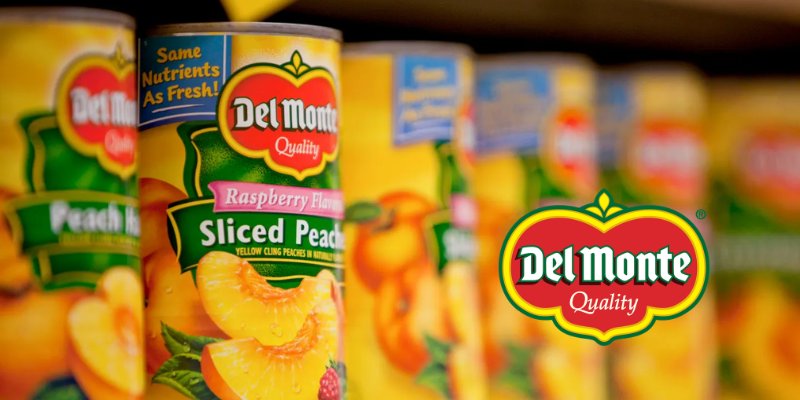
When Fresh Del Monte Produce Inc. completed its $285 million acquisition of the Del Monte Foods brand in March, it was framed as a historic reunion, two branches of one of agriculture’s most iconic names coming back together after nearly four decades apart. For growers and industry observers watching the collapse of Del Monte Foods’ California operations, the deal carried a cautious hope: that the brand would survive, that processing would continue somewhere, and that the damage to the Central Valley farming community would eventually stabilize.
Six weeks later, Fresh Del Monte reported its first quarter 2026 earnings and the numbers told a harder story. The new owner of the Del Monte brand missed Wall Street’s earnings forecasts by 23%, saw its stock drop nearly 3.5% in premarket trading, and warned investors that the headwinds ahead are only getting stronger. For California growers already trying to find their footing after the Modesto cannery closure, those results deserve a close read.
What the Numbers Said
Fresh Del Monte’s Q1 2026 earnings report, filed May 5, 2026, showed adjusted earnings per share of $0.63, well short of the $0.82 analysts had expected. Revenue came in at $1.04 billion, also slightly below forecasts. The company’s long-term debt more than doubled in a single quarter, jumping from $173 million at the end of fiscal year 2025 to $438 million by the end of Q1 2026, a direct result of borrowing to fund the Del Monte Foods acquisition.
The stock fell 3.49% in premarket trading after the report was released, a signal that investors were not reassured by management’s messaging around the deal’s early performance.
CEO Mohammad Abu-Ghazaleh described the results as reflecting “disciplined execution across a complex operating environment,” and noted the quarter included the “initial contribution” from the Del Monte Foods acquisition. But the company was candid about the challenges ahead. Management warned investors that tariffs and geopolitical tensions are expected to add $40 to $45 million in new costs starting in Q2 2026, a headwind that compounds already elevated ocean freight costs, weather-related disruptions to banana and fresh-cut fruit volumes, and the integration costs of absorbing a brand that just emerged from bankruptcy.
Why This Matters for California Growers
The connection between Fresh Del Monte’s Wall Street struggles and the dirt roads of Sutter and Stanislaus counties may not be immediately obvious. Fresh Del Monte, after all, did not buy the Modesto cannery, no one did. What it acquired was the Del Monte brand for canned vegetables, tomatoes, and shelf-stable products, while California-based cooperative Pacific Coast Producers (PCP) separately purchased the canned fruit and fruit cup business, along with the rights to use the Del Monte brand on shelf-stable fruit in the U.S., Mexico, and Puerto Rico.
But the two stories are deeply connected. PCP is now the organization carrying the Del Monte name forward for California fruit growers and PCP’s ability to expand its contracting, increase processing volume, and invest in grower relationships depends in part on how the broader Del Monte brand performs under its new ownership. A weakened Del Monte brand in the grocery aisle creates headwinds for every product that carries that name, including the canned peaches and pears that PCP is now producing.
More directly, the Q1 earnings report reveals the full financial weight of what the Del Monte collapse left behind for the industry. Fresh Del Monte is now carrying $438 million in long-term debt, facing $40 to $45 million in new cost headwinds per quarter, and navigating an integration of a bankrupt food company, all while managing its core fresh produce business. That is not the balance sheet of a company positioned to rapidly expand its California agricultural footprint or pour investment into new grower relationships in the short term.
The Grower Reality on the Ground
Our previous reporting documented what the Modesto closure meant in human terms: Richard Lial’s 105 acres of cling peaches with no buyer. Carlos Barron’s newly planted orchard facing its first real harvest with no contract. Ranjit Davit’s three generations of peach farming near Live Oak staring down an uncertain future. The estimate of $550 million in potential grower losses from the closure. The 50,000 tons of fruit that had no market.
What has changed since then is that PCP has stepped into the processing role, but as PCP’s own vice president acknowledged in Ag Alert, the cooperative cannot replace Del Monte’s full volume. Contracts offered this year will likely be shorter-term than the long-term arrangements growers have historically relied upon. That uncertainty hasn’t disappeared; it has simply shifted from “will anyone buy this fruit” to “will the buyer still be here in five years.”
Fresh Del Monte’s earnings miss adds another layer of instability to that picture. The company that now owns the Del Monte brand globally is financially stretched, operationally challenged, and facing significant cost pressures for the remainder of 2026. That does not mean the brand will fail, Fresh Del Monte is a publicly traded company with a long operating history and a diverse global portfolio. But it does mean that the stabilization California fruit growers were hoping to see following the Modesto closure may take considerably longer to materialize.
What Growers Should Watch
There are three things to monitor as this story continues to develop:
PCP’s contracting for the 2026 and 2027 seasons. The cooperative’s ability to expand its grower base beyond its existing 160 family farmer members will determine whether displaced Del Monte growers have a real processing home going forward. Watch for announcements from Pacific Coast Producers on volume commitments and contract terms.
Fresh Del Monte’s Q2 2026 earnings. Management’s warning of $40 to $45 million in new cost headwinds starting this quarter means the next earnings report, expected in early August, will be a more telling indicator of whether the company can absorb the Del Monte Foods integration without further deterioration. A continued earnings miss would signal deeper structural pressure on the brand.
USDA emergency assistance for displaced growers. As we reported previously, USDA funding to support growers facing orchard removal decisions has been discussed but not fully deployed. With the 2026 growing season now underway, growers making permanent decisions about their peach and pear acreage need clarity on what federal support is available. The USDA Farm Service Agency remains the primary contact for growers exploring transition assistance options.
The Bigger Question
The Del Monte story was never just about one cannery or one company. It was about the structural fragility of California’s canning fruit industry, an industry that once stretched across eleven processing facilities in the Central Valley and now operates through a single cooperative trying to carry an iconic brand forward on behalf of 160 family farmers.
Fresh Del Monte’s Q1 stumble doesn’t change that structural picture, but it does add uncertainty to the one outcome growers were counting on: that the Del Monte name, under new ownership, would find stable footing quickly and provide a reliable market signal for the future of California canning fruit. The first quarter results suggest that stabilization will take longer than anyone hoped.
For growers still weighing whether to graft almonds over their peach orchards, invest in another season of cling peach production, or walk away from fruit farming entirely — the new owner’s financial struggles are one more piece of information in an already painful decision.
The Ag Center News will continue tracking the Del Monte brand’s integration and its implications for Central Valley growers throughout 2026.