
Mexico Destroys 52 Tons of Export Avocados After Seed Weevil Detection
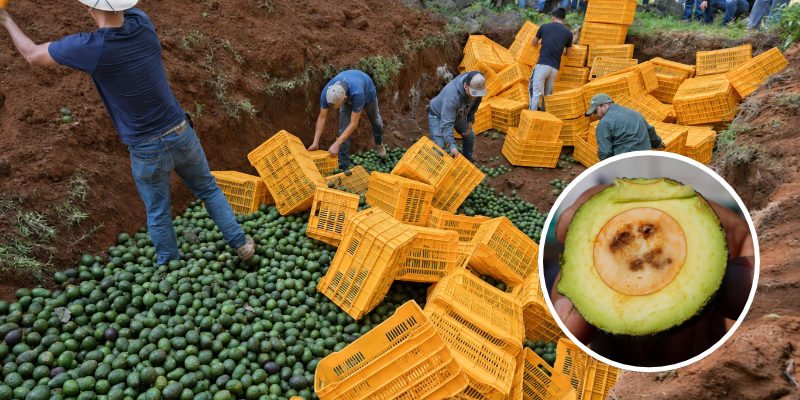
Mexican avocado growers destroyed up to 52 tons of export-bound fruit over the weekend of Oct. 31–Nov. 1 after authorities in Michoacán confirmed the avocado seed weevil in shipments headed for international markets. The fruit never reached the market, officials say. But the pest is the same one that kept Mexican avocados out of the U.S. for most of the last century, and California’s growers have been warning about it for two years.
What Mexican officials confirmed
Michoacán’s environmental authorities confirmed the weevil on Sunday, Nov. 1, among large volumes of avocados due for export, Reuters reported. Shipments were detained, and growers in Michoacán, Jalisco, Colima and Nayarit dumped fruit into pits to be burned and buried under pest-elimination protocols. Mexico’s plant health agency, SENASICA, supported the disposal.
Michoacán Environment Minister Alejandro Méndez told Reuters the suspect fruit had not been introduced to the market. Authorities have not released an estimate of the financial loss.
Several details remain open. As of Nov. 4, we could find no public SENASICA notice naming the exact weevil species or saying which orchards the infested fruit came from.
Why this pest is so hard to stop
The seed weevil does its damage inside the fruit, where growers and inspectors can’t see it and sprays can’t reach it. Research by UC Riverside entomologist Mark Hoddle on the large avocado seed weevil, Heilipus lauri, describes the cycle: females drill holes in the fruit to lay eggs, larvae bore through the pulp into the seed, and they pupate there before emerging as adults. Egg to adult takes about 76 days.
The damage makes fruit unmarketable and can cause premature drop. Adults also feed on young leaves, green stems and fruit skin. In poorly managed orchards, UCR reports 30–38% of fruit can be damaged.
California-grown avocados are currently free of seed-feeding weevils. A related species, the small avocado seed weevil (Conotrachelus perseae), is listed as an A-rated pest on CDFA’s regulated pest list, not present in the state, with a high likelihood of introduction.
Exports restart Thursday after a three-week strike
Michoacán exports are set to resume Thursday, Nov. 5. Mexico’s Agriculture Secretary Columba López announced at the president’s Nov. 4 morning press conference that packers and workers had reached an agreement to restart (Spanish).
The weevil detection landed in the middle of that dispute. Small Michoacán growers halted harvesting on Oct. 23, saying packers paid too little to cover rising costs. López said farmgate prices had fallen to 13–20 pesos per kilogram.
U.S. buyers should not expect prices to snap back. Foodservice cooperative Markon advised that resumed harvesting will not mean a return to pre-stoppage FOB pricing.
Why California growers are paying attention
Seed weevils are the reason the U.S. first shut out Mexican avocados. A USDA APHIS risk document records that in 1914 the U.S. prohibited avocado imports from Mexico because of seed weevils. Imports reopened gradually under a systems approach that included orchard surveys for these pests.
For nearly 30 years, USDA inspectors checked Mexican orchards in person. In late 2024, USDA shifted orchard inspections to Mexican authorities. The California Avocado Commission says stem and seed weevil detections in Mexican packinghouses rose soon after, and that APHIS itself called the number of interceptions notable.
In its Fall 2025 From the Grove, the Commission said detections went from zero to about 150 within a couple of months of the change. It has asked USDA to restore U.S. inspectors in Mexican orchards.
As of Nov. 4, we found no public statement from USDA APHIS, CDFA or the Commission on this specific detection.
What California growers can do
No seed weevil has been reported in California. Early reporting is what keeps it that way. Signs to watch for, based on UC Riverside’s field descriptions:
- Small drilled holes in fruit skin, often in the middle or lower third of the fruit
- Tunneling or larvae inside the seed when fruit is cut open
- Feeding damage on young leaves and green stems, or premature fruit drop
Report anything unusual to your county agricultural commissioner or the CDFA Pest Hotline at 1-800-491-1899 (reportapest@cdfa.ca.gov). Don’t move suspect fruit or mail specimens.