
How the Best Pistachio Operations Build Their Harvest Before the Season Starts From The Experts
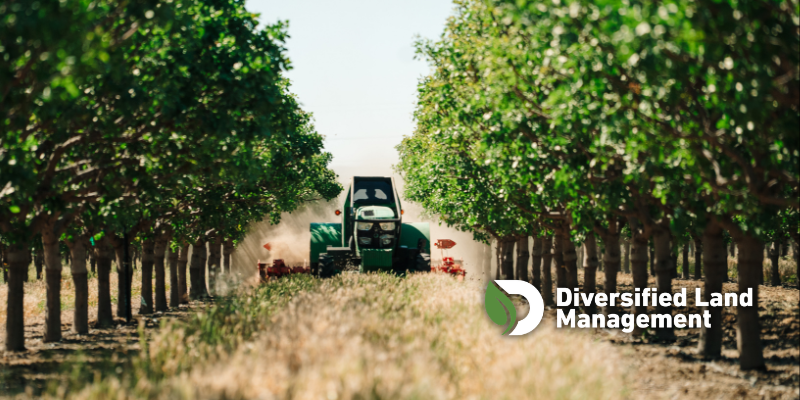
A practical guide to the decisions, timing, and practices that separate smooth harvests from costly ones and what growers can do right now to get ahead.
There’s a moment every pistachio season when it becomes clear which growers prepared and which ones didn’t. It’s not the moment the shakers arrive. By then, the decisions have already been made or missed. The canopy was trained, or it wasn’t. The floors were prepped, or they weren’t. The processors and harvest contractors were looped in weeks ago, or they’re scrambling now.
Harvest efficiency is a year-round discipline. The growers who treat it that way consistently outperform those who don’t, in throughput, in quality, and in cost per pound. This guide breaks down the key practices, timelines, and decisions that go into building a harvest-ready orchard, so you know what to focus on and when.
The Harvest Starts in the Pruning Program
Most growers think of pruning as a tree health decision. The best growers think of it as a harvest efficiency decision. The structure of your canopy determines how effectively shaker pressure travels through the limbs and whether your nuts end up in the bin or on the ground.
Mechanical harvesters operate within the limits of their catch frame. A canopy that has grown outside of that frame costs you at every shake. Overcrowded limbs that lay on top of each other absorb and deflect shaker energy instead of transferring it. A well-trained canopy does the opposite. As Clay Beck from Diversified Land Management puts it, “harvest starts with pruning, one of the main drivers of canopy training is keeping trees within the catch frame of the harvesters and creating a tree structure that allows the shaker head pressure to work through the limbs for maximum removal. Whippy branches or too many limbs laying on top of each other will not shake as well.”
A deliberate combination of hand pruning, hedging, and cross-hedging can significantly improve canopy efficiency. The right method depends on the block and harvest is one of the best times to evaluate that. With the weight of a full crop on the trees, you can see exactly where canopy structure is working and where it needs attention next season. Use harvest to plan your pruning program, not just to execute your harvest.
If You Don’t Have a Crop Readiness Program, You’re Already Behind
Harvest timing is one of the highest-leverage decisions in a pistachio operation. Come in too early and you sacrifice quality. Wait too long and quality degrades another way. The growers who consistently nail it aren’t guessing, they’re tracking.
A crop readiness program doesn’t have to be complicated, but it does have to start early. Here’s how a structured approach unfolds across the season:
April: Read the Bloom
The harvest conversation begins at the end of chill and onset of bloom. Is bloom running early or late relative to historical averages for that ranch? That baseline sets your expectations for everything that follows.
April Through July: Track Development Stages
Monitor growing degree day accumulation and each key development stage: expansion through May, shell hardening through June, nut fill through July. Other crops can serve as useful regional indicators, cherry harvest timing in spring is often an early indicator of whether the broader season is running ahead of or behind a typical year.
Early August: Hull Slip Is Your Decision Point
Beginning around early August, hull slip percentage becomes your primary timing tool. Track the progression across each field, not just across the ranch. In a heavy crop year you may want to bump shake or first shake at 25 to 50% hull slip and plan a return pass. In a lighter year with a one shake plan you will want to wait for maximum removal. Neither strategy works unless you’ve been paying attention closely enough to know where each block stands. Clay Beck is direct on this point, “If you haven’t created a mechanism to properly time harvest, you may already be behind. Understanding historical start dates for your ranches, combined with real-time monitoring of nut fill and hull slip, keeps you on time and ensures the highest quality.”
Your Orchard Floor Will Either Work For You or Against You
Much of what determines whether harvest runs efficiently comes down to what’s happening at ground level and most of it is fixable well in advance.
Irrigation: Think Equipment, Not Just Crop
The final two weeks before each field’s start date should mark a shift in how you think about water. This isn’t a dry-down strategy for barking or crop purposes, it’s equipment preparation. Where are your hoses positioned relative to the tire path of your harvest equipment? Do you have raised or flat berms? Are you bulk or bin harvesting? Wet conditions that slow harvest equipment aren’t something to accept as normal, they’re a management problem with a management solution.
Floor Prep: Address It Before the Harvesters Arrive
Every orchard has weak points. Identify yours before harvest, not during it. Key items to address:
- Ruts and soft spots from earlier equipment: repair them in advance
- Tall or dry vegetation: a fire hazard around hot harvest equipment
- Squirrel holes, coyote dens, and heavy rodent areas: flag these before harvest starts; sudden ground collapse causes unexpected downtime
- Centers: mow or disc as needed so equipment can move efficiently
Have your irrigators walk problem areas and flag them before the first harvester rolls in. Putting operators in a position to focus on harvesting, rather than navigating surprises, is the whole point.
Loading Area Planning: The Detail That Makes or Breaks Your Day
Ask growers what slows down a harvest operation and most will mention equipment or timing. Fewer will mention loading areas and that’s precisely why it belongs in this guide. Beck calls it “the unsung hero of harvest efficiency,” and the advice is straightforward, “Don’t put this on your harvest crews, be ready for them with well-thought-out loading areas that account for distance from the field, truck and trailer entry and exit, overhead wires, and wind direction.”
A poorly planned loading area creates friction at every single load throughout the day. A well-planned one is invisible, it just works. Walk your loading areas before harvest. Think through traffic flow, turning radii, proximity to the blocks being harvested, overhead obstructions, and prevailing wind. It takes an afternoon to get right and pays off every day of the season.
Communication Is a Harvest Variable So Treat It Like One
Of all the practices that separate efficient harvests from costly ones, communication is the one most growers underestimate. It isn’t a courtesy, it’s a logistical requirement. And it needs to start well before the first field is ready to shake. Beck puts it plainly, “Communication with your processors, commercial harvesters, PCAs, and internal teams is so important. Everything from sprays, water, start dates, load estimates, and on-site loading area prep must be ready. Being on time is what makes the difference.”
What proactive harvest communication looks like in practice:
- Processors: Share yield estimates early and update them as the season develops. Provide daily load estimates as harvest approaches, they’ll plan receiving capacity around your operation, and everyone benefits.
- Harvest contractors: Keep them current on field sequencing, orchard conditions, and any shifts to your start dates. Surprises on their end become your problem.
- Internal teams: In operations with multiple supervisors or managers, alignment is non-negotiable. Everyone needs to be working from the same information on spray schedules, water timing, start dates, and loading logistics.
Harvest Is the Playoffs And We Need To Plan Like It
Every practice in this guide is preparation for a high-stakes outcome. Because that’s what harvest is. The growers who come out of the season with strong yields, clean product, and manageable costs didn’t get lucky, they made deliberate decisions in February, April, June, and August that compounded into a result. As Beck says, “harvest is not the time to be lazy, it’s our version of playoffs. Doing all of the right things along the way can quickly be degraded with a poor harvest strategy. Plan early and continually communicate with all stakeholders along the way.”
The ones who struggle often knew what they should have done. They just did it too late or not at all. The window to influence this harvest is open right now. Use it.
Questions About Getting Your Fields Harvest-Ready?
If you want to talk through your operation’s harvest readiness or need hands-on support preparing your orchards, reach out to the team at Diversified Land Management. Their farm managers work hands-on through every phase of the pistachio season and would be glad to help you think through what this year’s harvest needs. Contact them at info@diversifiedland.com or visit diversifiedland.com.