
Why California’s 2025–26 Citrus Season Could Be the Most Weather‑Driven in Years — What Growers Need to Know Now
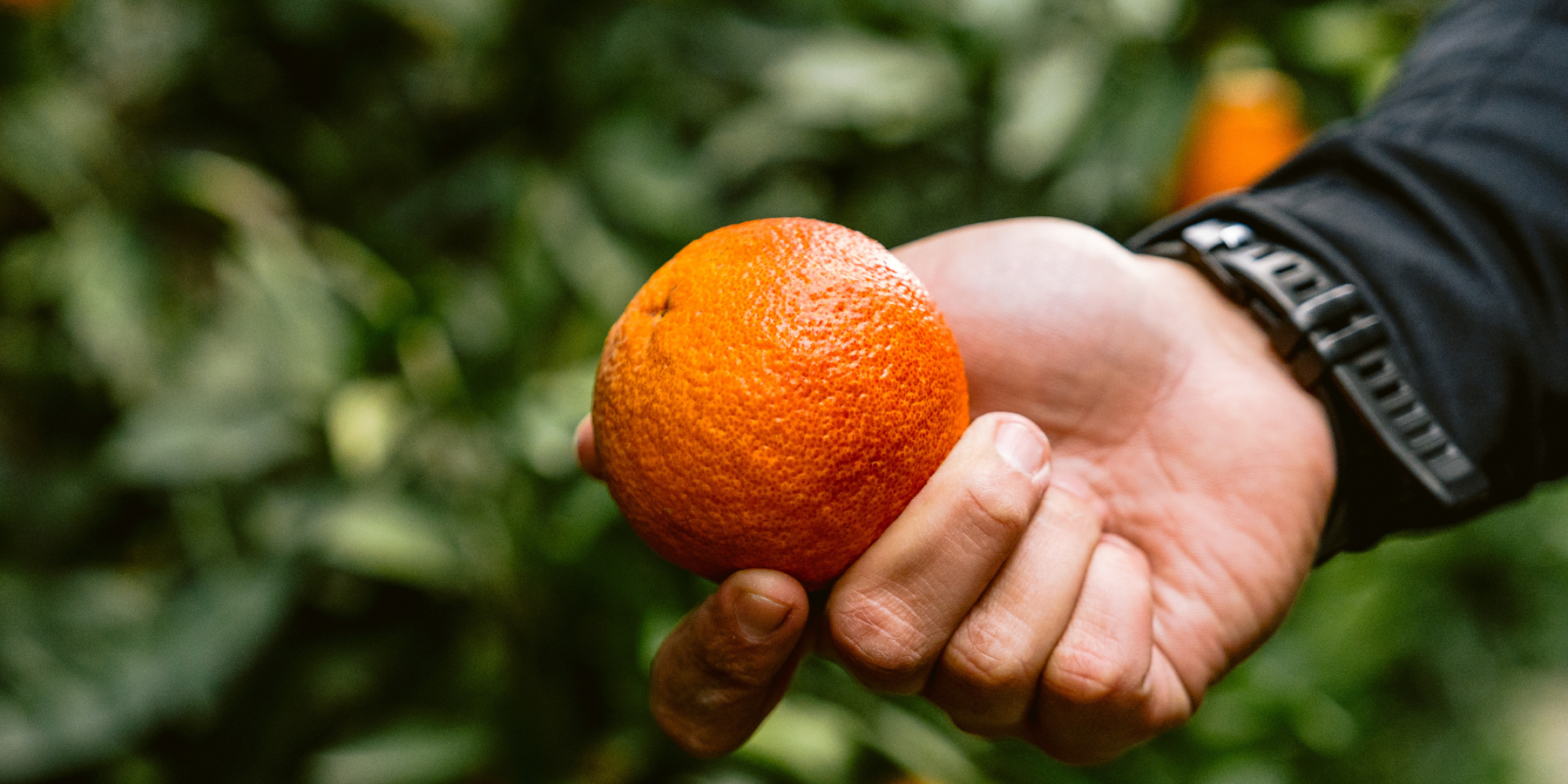
As the 2025–26 California citrus season unfolds, emerging data and field reports point toward weather playing an outsized role in orchard performance, crop volumes, and market outlooks. Heavy rainfall, persistent fog, and moisture‑driven disease pressures are shaping crop conditions and prompting growers to take a closer look at risk planning for the months ahead.
Mandarins Trending Smaller: What the Forecast Shows
Preliminary objective measurement data released this fall signal a notable contraction in the California mandarin crop compared with 2024–25 production levels. According to the 2025–26 California Mandarin Objective Measurement Report compiled by the USDA’s National Agricultural Statistics Service (NASS) in cooperation with the California Department of Food and Agriculture (CDFA), the forecast for Tango and W. Murcott Afourer mandarins sits at 33 million 40‑lb cartons, with fruit set down roughly 24% from last year.
These figures, based on standardized fruit set and diameter measurements, suggest a lighter mandarin supply this season — a dynamic that could influence marketing, packing schedules, and pricing as harvest progresses.
Weather Patterns: A Hidden Driver Behind Orchard Stress
Growers and market watchers are increasingly pointing to above‑average rainfall and prolonged fog across key growing regions, including parts of the Northern Central Valley, as critical variables in this season’s conditions. While intermittent moisture can benefit young trees, sustained wet conditions during maturation can complicate harvest operations and elevate disease risk, particularly in mandarin blocks that typically ripen in late fall and winter.
Market alerts and weather reports over recent months have highlighted extended precipitation and stagnant air conditions, which in many areas exceed historical averages for this time of year — creating wet microclimates that favor some pathogens and make certain spray windows narrow and unpredictable.
Fungal Risks Rise With Moisture: What Pathologists Warn
Plant pathology research has long correlated extended moisture periods with increased activity of specific fungal species in citrus. Members of the Alternaria species complex — responsible for diseases such as brown spot, leaf spot, and post‑harvest black rot — typically thrive where warm, wet conditions persist, and are associated with internal fruit decay, premature fruit drop, and surface blemishes.
Although Alternaria disease dynamics vary by pathogen and host cultivar, moisture‑driven infection cycles can become more aggressive when canopy wetness exceeds 12–24 hours per day, particularly in tightly set blocks where foliar drying is slow. This creates disease windows that coincide with key maturation phases for commercial citrus varieties.
Implications for Supply, Quality, and Markets
As harvest continues, the interplay between weather, disease pressure, and fruit set metrics will be central to shaping final supply volumes. A lighter mandarin crop combined with quality concerns tied to moisture could tighten domestic availability and add volatility to packer and shipper inventories.
Growers and handlers should also monitor navel orange and lemon forecasts, which in some cases show divergent trends (e.g., navels projected to rise slightly year‑over‑year) indicating that not all citrus categories are moving in the same direction.
What Growers Should Be Doing Now
To navigate these conditions, growers are advised to:
- Closely monitor orchard weather and moisture data, ideally using in‑field sensors and regional forecasts to anticipate high‑risk periods.
- Document incidence of quality issues early to support crop insurance claims if losses occur.
- Coordinate with field representatives, marketers, and packers to align expectations on timing, quality profiles, and harvest strategies.
- Evaluate spray and IPM schedules to balance disease suppression with crop safety and environmental regulations.
Strong communication across the supply chain will be critical this season as weather patterns continue to evolve.
Bottom Line
The 2025–26 California citrus season is shaping up to be one where environmental conditions and biological responses are central to outcomes in yield, quality, and market dynamics. While objective measurements point to reduced mandarin yields, growers who actively manage moisture‑related risk factors — and collaborate with key partners throughout the supply chain — will be best positioned to navigate this complex season.