
Washington Finally Delivers: The 2026 Farm Bill Is the Win California Farmers Have Been Waiting 3 Years For
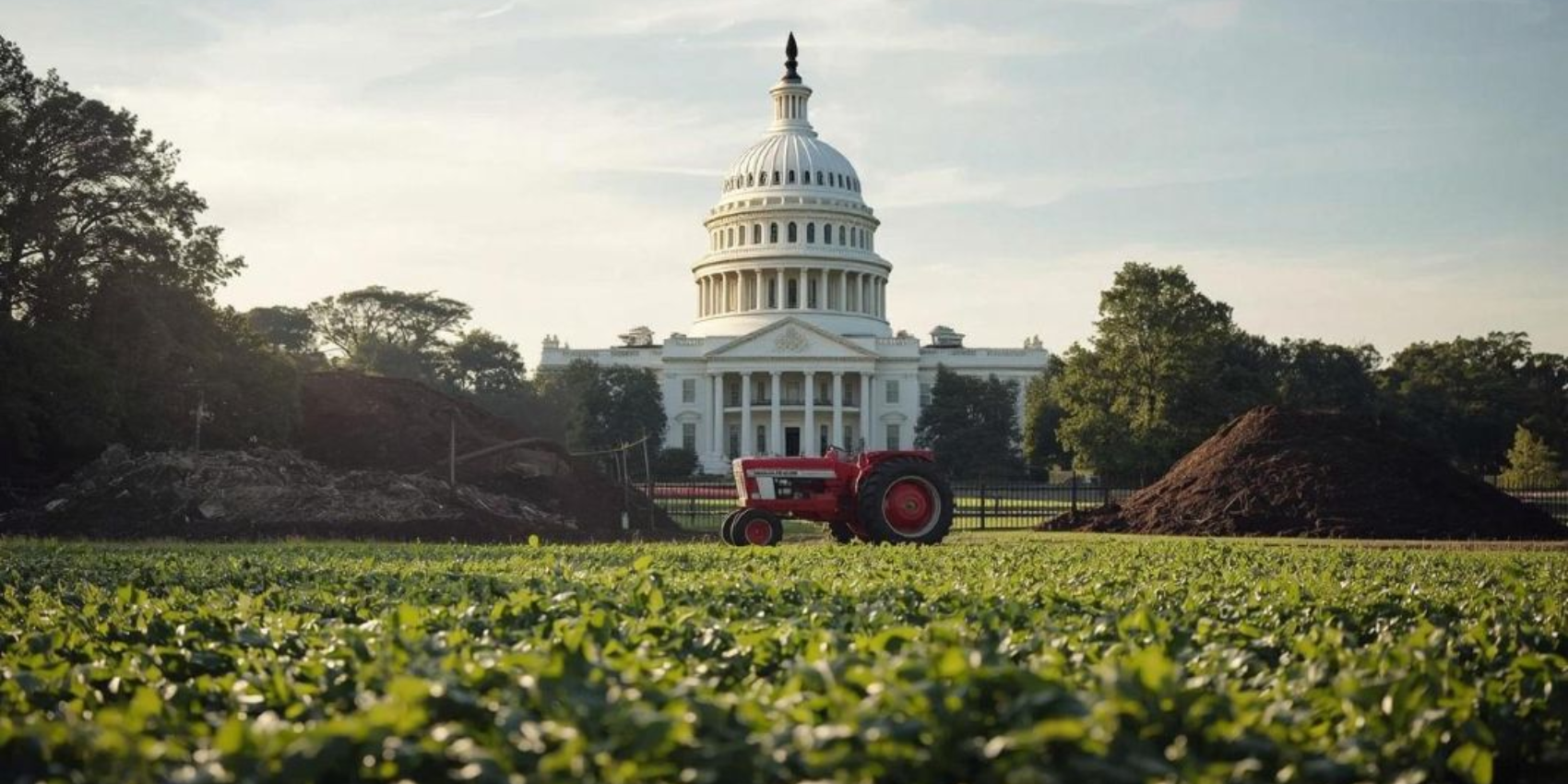
After operating without a current farm bill since 2023, navigating expired programs, stopgap extensions, and mounting uncertainty, California’s agricultural industry finally has reason to be optimistic. The Farm, Food, and National Security Act of 2026 (H.R. 7567) cleared the House Agriculture Committee on March 5 with a bipartisan vote of 34–17, and it now heads to the full House floor for consideration. For California growers, who produce half the nation’s fruits, nuts, and vegetables, the bill is packed with provisions that directly address their most pressing needs.
Two Central Valley congressmen, Rep. Jim Costa (CA-21) and Rep. Adam Gray (CA-13), both crossed the aisle to support the Republican-authored bill, securing meaningful wins for the San Joaquin Valley. Industry leaders from the California Farm Bureau, Western Growers, the Almond Alliance, and the California Table Grape Commission all praised the advancement — calling it a critical step toward restoring stability to a farm economy that has been under sustained pressure. Growers have operated without a current farm bill for more than three years, relying on temporary extensions and emergency aid while legislative negotiations stalled.
What’s In the Bill for California
The Farm, Food, and National Security Act of 2026 touches virtually every sector of California agriculture. Here is a breakdown of the key provisions Central Valley growers should know about.
Specialty Crops
California specialty crop growers, who produce almonds, pistachios, walnuts, grapes, strawberries, tomatoes, and dozens of other high-value crops, are among the bill’s biggest winners. The legislation bolsters export opportunities and strengthens disaster and risk management tools specifically designed for permanent crops. It doubles funding for the Market Access Program (MAP) and the Foreign Market Development (FMD) Program, which help California producers compete in international markets. The bill also reauthorizes the Specialty Crop Research Initiative, including dedicated funding for mechanization and automation research that could help growers manage rising labor costs.
Dairy
California’s dairy industry, the state’s top agricultural commodity at $8.61 billion in value in 2024, gains important stability from this bill. The legislation permanently reauthorizes core dairy safety net programs and extends dairy promotion and indemnity programs through 2031. It also improves mandatory dairy cost reporting and expands SNAP dairy incentives to include additional nutritious dairy products, creating new market opportunities while giving farmers and processors long-sought certainty.
Conservation — The COWS Act
Rep. Costa secured inclusion of his Conserving Our Waste Sustainably (COWS) Act (H.R. 5875), which modernizes the Environmental Quality Incentives Program (EQIP). The COWS Act allows for manure management conservation practices modeled after California’s own successful Alternative Manure Management Program (AMMP), creates a new category of practices that increase carbon sequestration or reduce greenhouse gases, and provides an automatic 90 percent cost-share for precision agriculture technology adoption — a significant financial benefit for growers looking to modernize their operations.
Water and Forestry — The Headwaters Protection Act
Costa’s Headwaters Protection Act (H.R. 605) was also included in the bill, strengthening watershed partnerships between agricultural producers, local communities, and the U.S. Forest Service. Protecting critical water sources is a foundational concern for Central Valley agriculture, and this provision directly addresses that need at the federal level.
Cold Chain Infrastructure and Export Protection — The FRIDGE Act
The inclusion of Costa’s FRIDGE Act enhances cold-chain infrastructure and protects U.S. agricultural exports in developing markets. This provision is particularly important for California’s fresh produce and perishable specialty crop exporters, who depend on reliable refrigerated logistics to reach global customers.
Rural Development, Broadband, and Energy
The bill also expands rural broadband access through the ReConnect Rural Broadband Program, supports rural water and wastewater systems, funds Hispanic-Serving Institution education grants, and increases Rural Energy for America Program (REAP) loan guarantees. These investments strengthen the infrastructure that rural agricultural communities across the San Joaquin Valley depend on.
Nutrition and Food Security
The legislation avoids further cuts to nutrition programs and strengthens local food purchasing programs that connect farmers to communities. It supports rural seniors through home-delivery pilots and includes Buy America provisions that prioritize domestic food in schools — provisions that are especially meaningful in California’s 21st Congressional District, which has one of the highest SNAP participation rates in the state.
California’s Agricultural Leaders React
The response from California’s major agricultural organizations was immediate and broadly positive. Leaders across the state’s commodity sectors praised both the bill’s contents and the bipartisan effort it took to advance it.
“Farmers and ranchers have been without certainty of a new farm bill since it first expired in 2023, and have been grappling with low commodity prices, rising supply costs, inflation and uncertain international trade dynamics. Passing an updated farm bill is critical to managing risk on the farm, keeping rural communities thriving and feeding our nation and the world.”
— Shannon Douglass, President, California Farm Bureau
“The Farm Bill provides critical support to specialty crop growers in California and will help our rural communities to thrive.”
— Dave Puglia, President & CEO, Western Growers Association
“By helping advance a bill that bolsters export opportunities, strengthens disaster and risk management tools for permanent crops, and invests in research, conservation, and on-farm innovation, Congressman Costa is standing up for the farmworkers, growers, processors, and haulers whose livelihoods depend on a strong, competitive almond industry.”
— Alexi Rodriguez, President & CEO, Almond Alliance of California
“His continued advocacy and attention to the needs of California table grape growers, and the broader specialty crop community, are critical to maintaining the competitiveness of American agriculture and supporting the farm families who help feed the nation and the world.”
— Ian LeMay, President, California Table Grape Commission
“These programs lead to a more effective and sustainable agriculture system and ultimately support our local communities.”
— Caitie Diemel, Executive Director, Stanislaus County Farm Bureau
“The Specialty Crop Farm Bill Alliance praises Rep. Jim Costa for his support of HR 7567, the Farm, Food, and National Security Act of 2026, which closely aligns with the Alliance’s priorities. We thank Congressman Costa for his years of leadership on behalf of specialty crop producers in California and across the United States.”
— Jonathan Cordone, Executive Director, Specialty Crop Farm Bill Alliance
Why This Bill Matters Right Now
The timing of the bill’s advancement could not be more significant. California’s agricultural sector is facing simultaneous pressures from the Iran war’s fertilizer and export disruptions, a 64% collapse in farm exports to China documented by UC Giannini Foundation economists, and years of tight or negative margins across multiple commodity sectors. Farm debt reached a record high in 2025 even before the current geopolitical crisis began to drive input costs higher.
The Farm Bill, once signed into law, would provide a more permanent safety net beneath an industry that has been operating on temporary extensions and emergency aid. The $12 billion program announced by USDA in December to support farmers through trade market disruptions has helped, but as economists have noted, one-time bridge payments cannot substitute for a comprehensive, multi-year policy framework.
“I’m proud to have secured provisions that provide our farmers, ranchers, and dairymen and women with the resources they need to produce food and help families access the food they rely on.”
— Rep. Jim Costa (CA-21), House Agriculture Committee
Rep. Gray also secured a notable secondary commitment from House Agriculture Committee Chairman Glenn “GT” Thompson (R-PA) to pursue billions of dollars in additional economic assistance for specialty crop growers through a future government funding bill. Valley specialty crop producers have been hit particularly hard over the past year by trade uncertainty, rising input costs, and weakened market competition, making this commitment an important additional backstop beyond the bill itself.
What Happens Next
The Farm, Food, and National Security Act of 2026 now moves to a full House floor vote. Senate Agriculture Committee Chairman John Boozman has indicated he will introduce a Senate version of the Farm Bill in the coming months. If both chambers pass their respective versions, the House and Senate will enter a conference process to negotiate a final bill before sending it to President Trump for signature.
California producers and industry groups are encouraged to follow the bill’s progress at Congress.gov. The full text of H.R. 7567 is publicly available, and both Rep. Costa’s and Rep. Gray’s offices have published detailed breakdowns of the provisions most relevant to Central Valley growers.
Rep. Costa has stated he will continue working to make further improvements to the bill as it moves through the legislative process. The road to a signed Farm Bill still has several steps remaining, but the committee vote represents the most meaningful forward progress on this legislation in years.
The Bigger Picture for California Agriculture
California’s specialty crop sector has historically been underrepresented in federal farm policy, which has tended to direct the bulk of its resources toward commodity crops like corn, soybeans, and wheat grown in the Midwest and South. The 2026 Farm Bill represents a continued and meaningful shift toward recognizing the unique needs of specialty crop producers, with expanded trade promotion funding, better disaster tools for permanent crops, stronger research investment, and new conservation incentives all pointing in a direction that serves California growers.
For the Central Valley, one of the most productive agricultural regions on earth, responsible for a significant share of the nation’s food supply, the bill’s advancement is a rare moment of good news from Washington at a time when the industry needs it most. There is still work ahead before it becomes law. But for the growers, ranchers, dairy operators, farmworkers, and rural communities that make California agriculture what it is, the committee vote is a meaningful and long-overdue step forward.