
USDA Set to Roll Out “Bridge Payment” for Farmers: What We Know So Far and Why It Matters Now
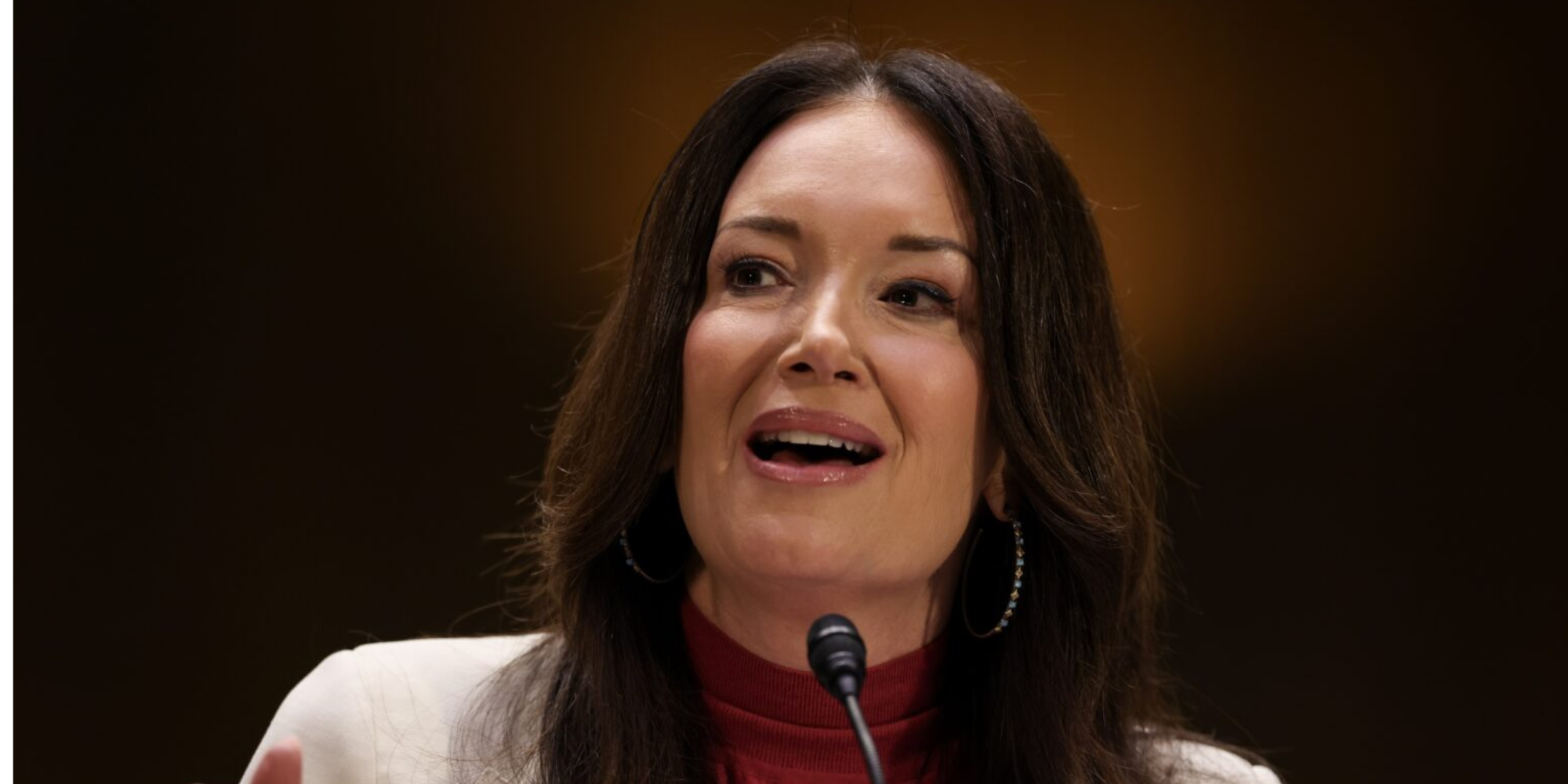
The U.S. Department of Agriculture is preparing to announce a long-awaited “bridge payment” aimed at helping farmers weather some of the toughest market challenges in recent years — from depressed commodity prices to tightening margins and weakened export demand.
While the USDA has not yet released its full official guidance, Agriculture Secretary Brooke Rollins confirmed in a press statement that the announcement is expected “next week.”
This new payment is expected to function as stop-gap financial aid, helping growers stabilize operations while the government works on longer-term farm support solutions.
Why Is a Bridge Payment Needed Now? A Perfect Storm of Ag Pressures
Farmers across the U.S. are facing one of the most economically challenging periods since the 1980s. Crop prices have weakened significantly, global markets have shifted, and producers are navigating historically high input costs.
At the 2025 Farm Progress Show, USDA Deputy Secretary Stephen Vaden directly acknowledged these pressures, revealing that USDA was exploring a “bridge policy” to help farmers stay afloat until deeper structural fixes take effect.
The plan appears to be moving forward — and fast.
What Could This Payment Look Like? (Here’s What We Know)
Although USDA has not posted the official framework, here are the clearest details available from USDA leadership and recent farm-policy reporting:
✔ 1. It will be short-term but immediate.
Designed to support producers now, not next season.
✔ 2. It may target farmers most affected by low commodity prices.
Soybean and corn growers have been hit especially hard as demand and export volumes shift.
✔ 3. It aligns with USDA’s recent expansion of emergency support programs.
For example, USDA recently expanded the Emergency Commodity Assistance Program (ECAP), issuing a second round of payments to help producers offset 2024 losses.
✔ 4. It comes amid the largest farm payment year since the Great Depression.
The U.S. is projected to issue over $40 billion in farm payments in 2025, reinforcing the scale of economic stress on the sector.
In other words — USDA intervention isn’t just likely. It’s necessary.
Low Prices, High Costs: Why Growers Need Relief More Than Ever
Growers are entering 2026 with:
- Falling commodity revenue
- Rising labor and regulatory costs
- High interest rates
- Reduced export movement
- Supply-chain inconsistencies
Farmer sentiment improved slightly this fall — but economists warn it remains far below long-term averages. Cash-flow protection, even temporary, could help determine whether many farms can plant next year without taking on additional debt.
What We’re Still Waiting For
Until USDA publishes the official release, these critical details remain unknown:
- Exact payment amounts
- Which commodities or growers will be eligible
- How payments will be calculated
- When funds will be distributed
- Whether this replaces or supplements existing program payments
The “bridge payment” could resemble past Market Facilitation Program payments, ARC/PLC supplemental boosts, or ECAP-style support — but until USDA posts the rule, all specifics remain in flux.
The Ag Center News will update readers the moment USDA releases the official payment framework.
The Bottom Line: Relief Is Coming — But Details Determine the Impact
For growers operating under razor-thin margins, this payment could provide much-needed breathing room heading into 2026. But the real story will unfold when USDA releases the official framework — signaling how meaningful the assistance will be and how fast it will reach producers.
Until then, stay tuned. The announcement is expected within days, and the stakes for American agriculture couldn’t be higher.