
Trump-Directed Water Policy Triggers Major Overhaul of California’s CVP/SWP Operations
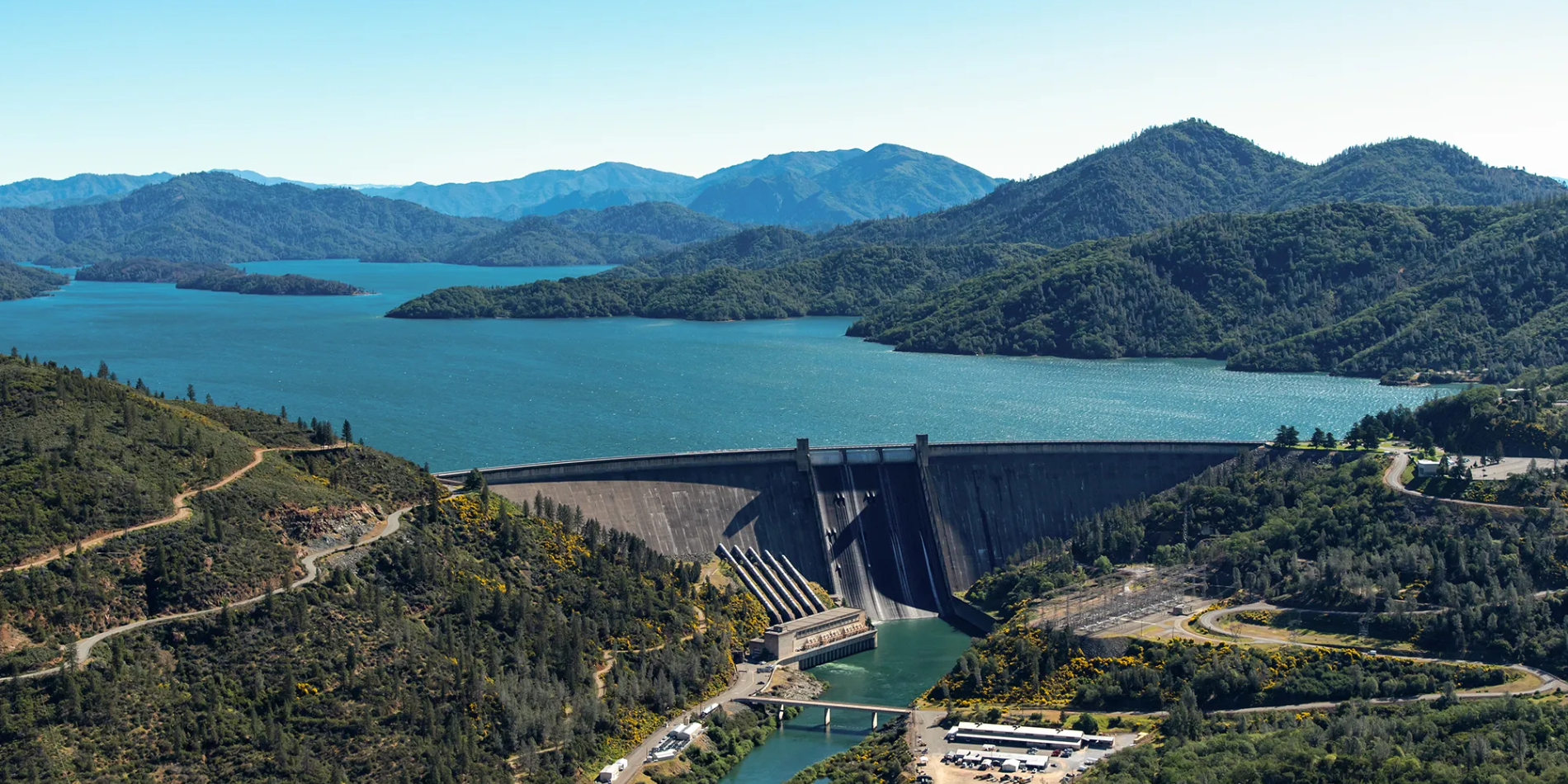
A significant shift in how water is moved, stored, and allocated throughout California is now taking effect, following a directive issued by former President Donald Trump earlier this year. On December 4, 2025, the U.S. Bureau of Reclamation finalized a new operational framework for the Central Valley Project (CVP) and State Water Project (SWP), known as Action 5, marking one of the largest federal water management updates in more than a decade. The decision stems directly from the federal Long-Term Operation (LTO) planning process, outlined on Reclamation’s website, which governs how water is delivered to more than 25 million Californians, millions of acres of farmland, wildlife refuges, and critical ecosystems.
How Trump’s Executive Order Reshaped the Long-Term Operation Plan
Earlier in 2025, Trump issued Executive Order 14181, directing federal agencies to maximize water supplies for farms and high-need communities in California. The order instructed Reclamation and partnering agencies to increase operational flexibility, accelerate regulatory adjustments, and revise water-delivery procedures even if doing so required suspending or rewriting longstanding operational guidelines. Action 5 is the federal government’s direct response to that order, and the Bureau of Reclamation states explicitly that the update was developed because of the Trump administration’s water directive.
Under Action 5, Reclamation modified components previously studied in the 2024 LTO Final Environmental Impact Statement (Final EIS). The updated plan remains within the environmental scope analyzed in the Final EIS and its corresponding Biological Opinions, meaning no new environmental review process was required. A summary of these revisions can be found in Reclamation’s Action 5 Fact Sheet, which provides detailed modeling and operational adjustments.
Projected Impacts on California’s Agricultural Sector
For agricultural producers in the Central Valley, the new operations plan represents a meaningful shift in federal water management. Reclamation estimates that Action 5 could result in an increase of approximately 130,000 to 180,000 acre-feet of CVP water annually, with additional gains projected for SWP deliveries depending on hydrologic conditions. These estimates suggest improved reliability for growers who have experienced years of reduced allocations due to drought, environmental constraints, and restricted pumping through the Sacramento–San Joaquin Delta.
The Central Valley, which produces a substantial share of the nation’s nuts, fruits, vegetables, and dairy products, stands to benefit from enhanced consistency in irrigation supplies. Improved water certainty may allow growers to plan planting and harvest schedules with greater confidence, limit emergency groundwater pumping, and stabilize production costs that have fluctuated during past drought cycles. The Trump administration has repeatedly emphasized agricultural needs in California, framing Action 5 as a long-awaited correction to what it described as over-regulation and environmental constraints that previously limited water availability to farms.
Environmental Concerns and the Return of California’s Water Wars
While agricultural groups have welcomed the changes, environmental organizations and several state-level regulatory agencies have raised concerns about the broader ecological implications. Adjustments to Delta exports, changes in flow timing, and increased conveyance flexibility may place additional stress on vulnerable fish populations, including salmon species and the Delta smelt, which have long been considered indicators of the Delta’s overall ecological health. California’s scientific community has historically warned that changes to Delta pumping operations can alter salinity levels, disrupt migration patterns, and erode habitat conditions essential for maintaining native species.
The LTO framework aims to balance water supply needs with environmental requirements, but critics argue that Action 5 risks tipping that balance too far toward extraction. Even though Reclamation asserts that the plan remains consistent with the modeling and mitigation strategies described in the 2024 Final EIS, opponents contend that climate-driven hydrologic volatility, declining snowpack, and long-term ecosystem fragility require more—not less—conservative management.
As with most major water decisions in California, litigation appears likely. Environmental groups and several state agencies have signaled that they are evaluating potential legal challenges, setting the stage for renewed conflict between federal and state authorities over control of the Delta’s pumping systems.
What This Means for California Growers Moving Forward
The Trump-directed LTO revision introduces a new chapter in California’s long and contentious history of water policy. For growers, the plan may bring short-term relief and improved allocation stability, potentially influencing crop choices, operational investments, and long-term acreage planning. Yet the durability of these changes remains uncertain. Annual snowpack, climate conditions, and regulatory conflicts will continue to shape whether projected increases in deliveries materialize in practice.
Growers and agricultural organizations will be closely watching upcoming hydrologic forecasts, state-federal coordination efforts, and any court rulings that emerge from anticipated environmental challenges. The coming months will clarify whether Action 5 ushers in a new era of agricultural water reliability—or whether California’s water wars are poised to intensify once again.