
Trump Administration’s DOJ Oversees California Ballots Ahead of Proposition 50 Election
Federal Election Monitoring Takes Center Stage
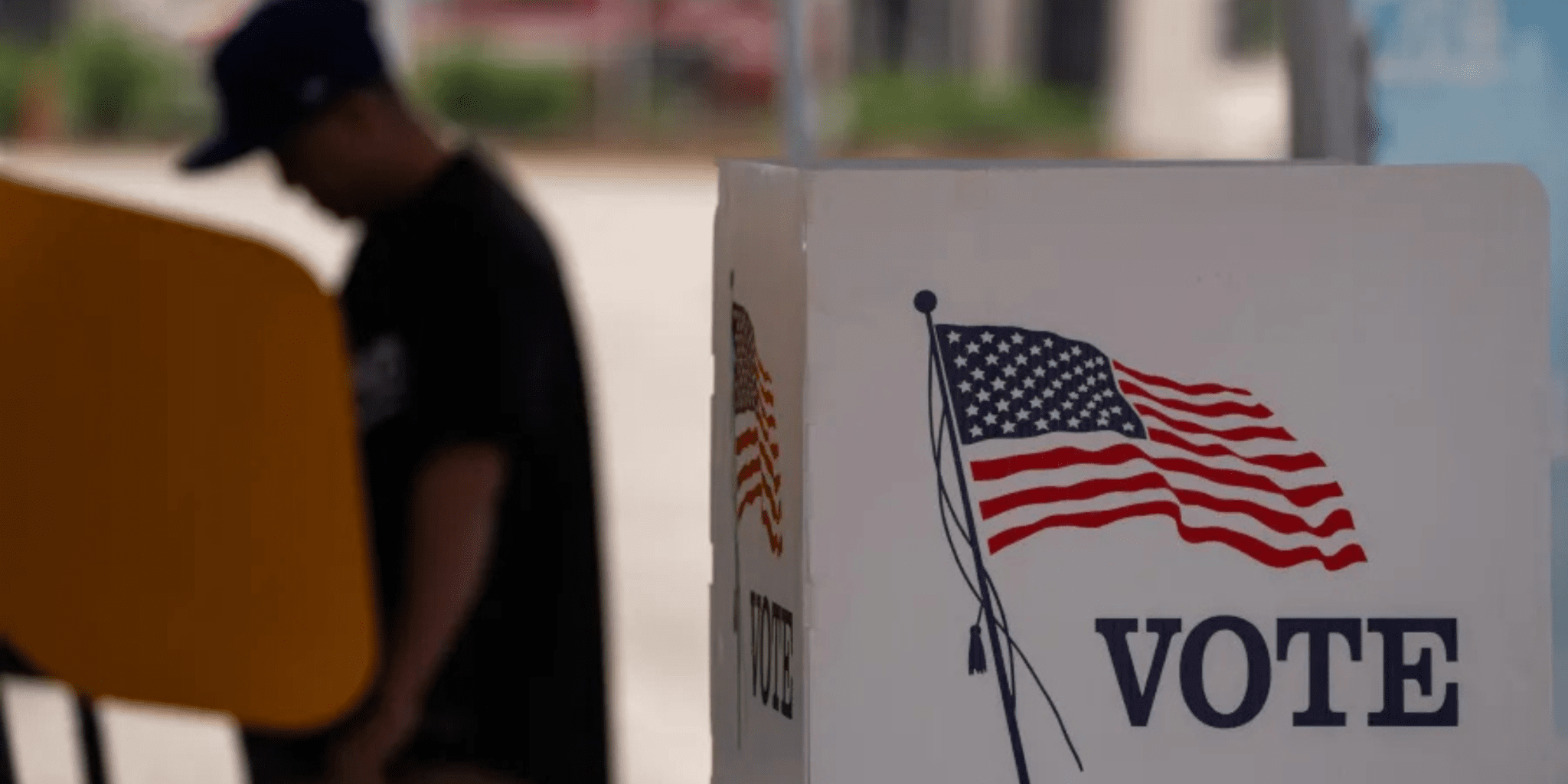
The United States Department of Justice (DOJ) has announced the deployment of federal election monitors to five California counties—Fresno, Kern, Los Angeles, Orange, and Riverside—prior to the special election in which Proposition 50 is on the ballot. This is particularly important for California growers and agribusinesses because the big day for this election is November 4, 2025—tomorrow. According to the DOJ’s Civil Rights Division, the purpose of this deployment is to ensure transparency, compliance with federal law, and the protection of voters’ rights. The monitors will observe election procedures at polling locations to verify adherence to federal statutes and prevent potential irregularities. The announcement comes amid heightened scrutiny over electoral processes and has sparked public debate regarding the role of federal oversight in state elections.
Understanding Proposition 50
Proposition 50 is a statewide measure aimed at redrawing California’s congressional districts. Backed by Governor Gavin Newsom, the measure is intended to create additional Democratic-leaning seats in Congress, a move that has drawn attention from both state and national political observers. The proposition has generated debate over its potential influence on political representation, with proponents arguing that it reflects population shifts and opponents asserting that it may unfairly favor one party. While the measure’s primary impact is political, its broader implications could affect key policy areas relevant to California’s agricultural sector.
The DOJ’s Role and Legal Framework
The DOJ’s Civil Rights Division cited concerns raised by the California Republican Party in requesting federal oversight. The party cited perceived irregularities in several counties and formally petitioned for monitors to ensure election integrity. The DOJ emphasizes that its actions are part of routine enforcement under federal civil rights statutes, including the Voting Rights Act, the Help America Vote Act, and the National Voter Registration Act. These statutes are designed to protect the integrity of elections and ensure that voters can participate without interference. Federal monitors are tasked with observing polling sites, voter registration processes, and the handling of ballots, providing reports on compliance with applicable laws.
State Officials Respond
California state officials have expressed concern regarding the federal deployment. Secretary of State Shirley N. Weber issued a statement asserting that the DOJ had provided no clear justification for the monitors in a non-federal special election and reaffirmed that California’s elections are “secure, transparent, and administered by Californians for Californians.” Governor Gavin Newsom has characterized the deployment as potentially intimidating to voters, while Attorney General Rob Bonta announced that the state would deploy its own observers to monitor the federal monitors once they are on site. These responses underscore the tension between federal oversight and state administration, highlighting the political sensitivity surrounding Proposition 50.
Implications for California Agriculture
Although Proposition 50 is a political measure, its potential impact on California’s agricultural sector warrants attention. Congressional representation directly influences federal policy decisions related to agriculture, including the farm bill, labor regulations, transportation infrastructure, environmental compliance, and funding for research and development. The counties where monitors are deployed—Fresno, Kern, and Riverside—are major agricultural regions, home to a significant portion of California’s farms, orchards, and distribution networks. Any administrative burdens or disruptions in local election operations could indirectly affect county-level services, permits, and regulatory oversight that growers rely upon. Understanding the political landscape and its potential effects on federal agricultural policy is therefore critical for growers and agribusiness leaders.
Looking Ahead
As the election approaches, observers will closely track how the DOJ deploys its monitors, whether at early voting sites or on Election Day, and what impact their presence may have on voter confidence and election administration. State officials and the DOJ will review the outcomes of the oversight for potential enforcement actions or policy adjustments. Following the election, the passage of Proposition 50 could reshape California’s congressional delegation, with implications for agricultural policy and funding priorities at the federal level. Growers and agribusiness leaders are advised to stay informed about these developments, as shifts in representation may influence both immediate operational concerns and long-term strategic planning.
Conclusion
The deployment of federal election monitors by the Trump-era DOJ underscores the ongoing intersections between politics, governance, and the agricultural sector. While the immediate focus is on electoral oversight and voter protection, California’s growers are reminded of the broader significance of congressional representation, policy development, and administrative stability. Staying informed about these developments is essential for anticipating changes that could impact operations, regulatory compliance, and federal funding in the agricultural community.