
The Shocking Science Behind Pistachio Hull Split: What Every Grower Needs to Know
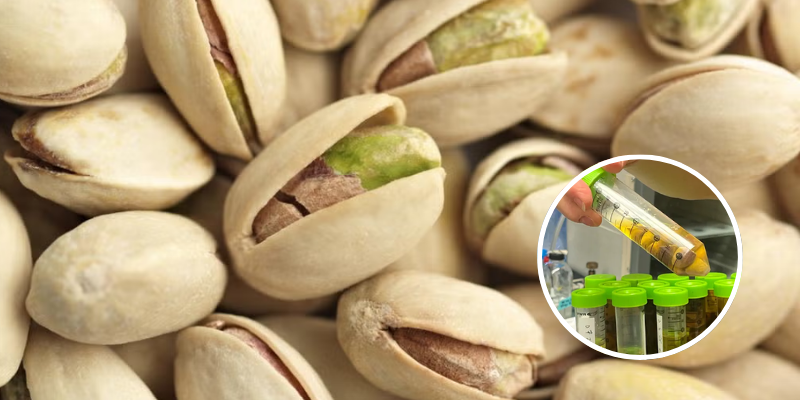
Pistachio growers in California may soon have a powerful new tool to reduce crop loss thanks to groundbreaking research from scientists at the University of California, Davis. A recent study led by plant scientists at UC Davis sheds light on a long‑standing challenge for the state’s $2‑billion‑a‑year pistachio industry — pre‑harvest hull split.
What Is Hull Split and Why It Matters
Hull split occurs when the outer green hull of a pistachio nut cracks before the nuts are harvested. While some degree of hull separation is normal at maturity, premature splitting can expose the kernel to insects and fungal pathogens, leading to quality loss and significant economic damage. Although about 4 % of the total crop typically experiences hull split, certain cultivars under specific conditions can see rates as high as 40 %.
For growers, early hull split is more than just a cosmetic problem — it creates entry points for pests and molds that can compromise the entire harvest, reduce marketable yield, and increase sorting and processing costs.
New Insights Into Hull Biology
In a first‑of‑its‑kind investigation, researchers from UC Davis examined the anatomical, cellular, and genetic mechanisms that underpin hull split. Using advanced imaging and genetic analysis, the team discovered important details about how pistachio hulls are structured and why they break down as they ripen.
Key findings from the study include:
- Cell wall changes drive hull weakness: As the hull ripens, the composition of pectin — a critical component of plant cell walls — shifts. This change weakens the bonds between adjacent cells, causing them to “come unhitched” and the hull to crack.
- Genetic control of hull degradation: The lead researcher, Shuxiao “Susan” Zhang, identified specific genes that influence how cell walls break down during ripening. These genes help explain why certain pistachio varieties are more prone to hull split than others.
- Layer‑specific responses: Hull tissues consist of multiple cell layers, and each layer responds differently to ripening. Inner‑layer cells expand, while outer layers remain relatively unchanged, contributing to differential stresses within the hull that lead to splitting.
Why This Research Matters for Growers
This work is a critical step toward breeding pistachio varieties that are less susceptible to hull split, potentially lowering crop losses and improving quality for producers. By linking anatomical changes with genetic regulation, UC Davis researchers are providing practical insights that could inform future cultivar development and orchard management practices.
Importantly, because the pistachio hull is technically a fruit, the findings may also have broader implications for managing pre‑harvest splitting in other tree fruit crops.
Looking Ahead
While the application of this research to commercial breeding and field management will take time, the study represents a meaningful advance in our understanding of pistachio biology. For growers, processors, and researchers alike, it offers a promising foundation for reducing one of the industry’s persistent sources of loss — and a model for tackling similar problems in related crops.