
Shake-Up in the Almond Industry: The Almond Board of California Votes to End USDA Objective Measurement Report After 60 Years
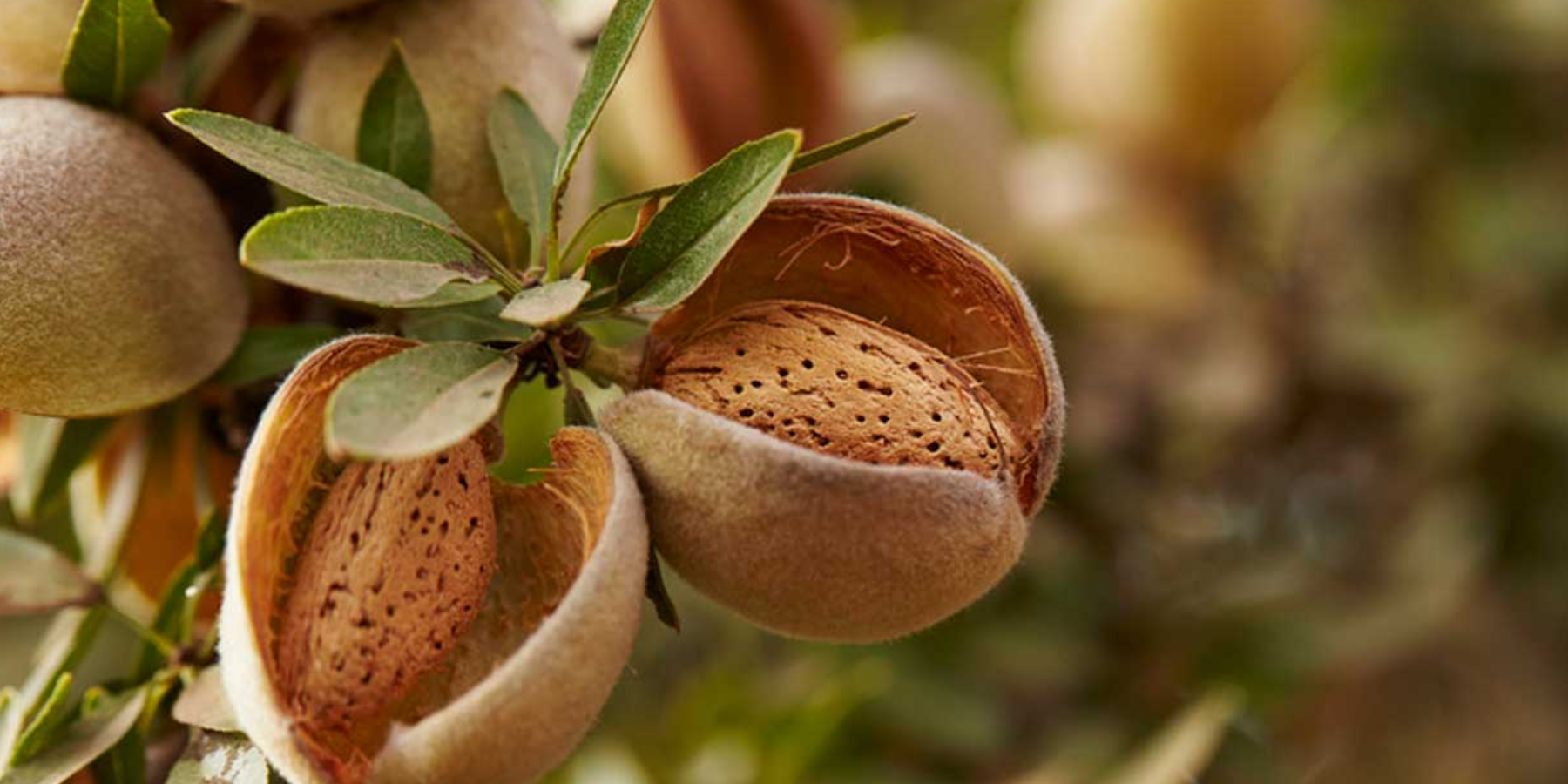
As of yesterday, The Almond Board of California (ABC) has made a landmark decision that is already rippling through the state’s agricultural community: the Board of Directors has voted to discontinue funding for the USDA National Agricultural Statistics Service (NASS) Objective Measurement Report. After more than six decades of relying on the July report to predict the size of California’s almond crop, the industry is preparing for a dramatic shift in how crop forecasts will be developed and interpreted.
Why the Industry Is Walking Away from a 60-Year Tradition
Since the 1960s, the Objective Measurement Report has been a cornerstone of market planning, relied upon by growers, handlers, processors, and international buyers. But in recent years, frustration has grown over its ability to capture the true complexity of California’s diverse almond production regions. Orchards have expanded, weather patterns have grown more volatile, and growers have adopted increasingly varied management styles. Many in the industry felt the report struggled to keep up, often producing estimates that did not align with real harvest outcomes.
This mounting dissatisfaction sparked deeper questions about how the industry should collect and communicate data. According to ABC, the decision was not rushed; it was the result of months of discussions with growers, handlers, and key stakeholders. An Almond Forecast Task Force compiled industry feedback and presented its findings to the Almond Quality and Food Safety Services (AQFSS) Committee, which ultimately recommended the change. The Board’s final vote reflects a growing consensus that forecasting tools must evolve alongside the crop they represent.
What Comes Next for Almond Crop Forecasting
Although the Objective Measurement Report is ending, forecasting itself is not disappearing. The California Almond Subjective Forecast—published each May—will continue to provide early-season insights. ABC emphasized that it remains committed to delivering accurate and timely information, and the organization plans to work closely with USDA and industry partners to explore new methods that better reflect the realities of today’s production environment.
The shift opens the door for modern, tech-driven approaches that could incorporate grower reporting, digital orchard analytics, and improved data modeling. For many growers, this change represents an opportunity to move toward forecasts that feel more grounded in real-world conditions rather than standardized measurements that often fell short.
How the Decision Could Influence Markets and Policy
The announcement is expected to have significant implications beyond the farm gate. The almond industry is one of California’s most closely watched agricultural sectors, and any change in how its crop is measured can influence domestic pricing, export negotiations, and even political discussions around data transparency in agriculture.
With the July Objective Report gone, market dynamics may shift toward earlier attention on the Subjective Forecast in May, while spot pricing and buyer sentiment may rely more heavily on real-time industry reporting. The decision could also reignite questions about the federal government’s role and funding priorities in specialty crop reporting—an increasingly relevant topic as regulatory and economic pressures intensify across California agriculture.
A Pivotal Moment for California Almonds
While some growers will welcome the end of a system they felt no longer represented their operations, others may feel uncertain about adjusting to a new informational landscape. What is clear is that the Almond Board’s decision marks a turning point. The industry is stepping away from tradition and toward a future that demands more flexible, adaptive, and accurate tools.
As California almond growers continue navigating fluctuating weather, shifting regulations, and global market pressure, the way the crop is measured—and trusted—may be as important as the crop itself.
For continued coverage and expert analysis on this developing story, stay connected with The Ag Center News—your trusted source for California agriculture.