
San Joaquin River on the Rise: What Fresno Area Residents Need to Know for 2026
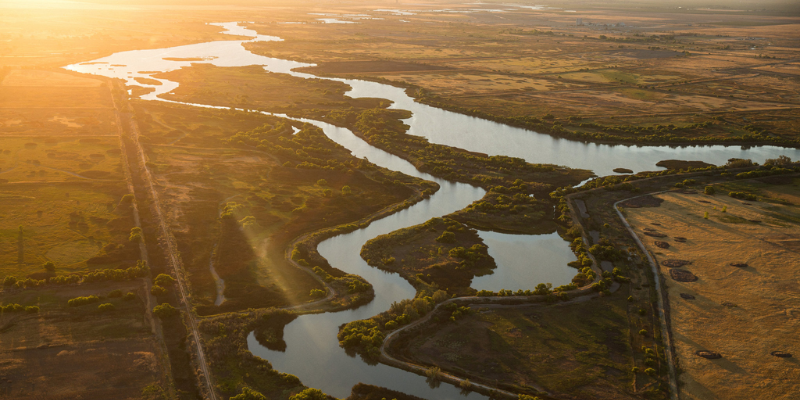
If you’ve been near the San Joaquin River lately, you may have noticed the water moving faster and sitting higher than usual. That’s not by accident and it’s not just the rain. A combination of seasonal storm runoff, scheduled water releases, and an ongoing river restoration effort means the San Joaquin is expected to see some of its highest flow levels in recent years as we move through spring 2026.
Here’s what’s happening, why it matters, and what to watch for in the months ahead.
The River Is Rising And Here’s Why
The San Joaquin River formally began its seasonal rise this past weekend as part of the 2026 San Joaquin River Restoration Program (SJRRP) flow schedule. The program, overseen by the U.S. Bureau of Reclamation and several state and federal partners, manages controlled water releases from Friant Dam into the river downstream and all the way to the confluence with the Merced River, about 150 miles away.
According to the SJRRP’s official flow schedule, the Bureau of Reclamation has provisionally approved a restoration allocation of 305,210 acre-feet for this year and was designated as a “Normal-Wet” water year type. That’s a significant volume, and the schedule will be updated and potentially adjusted as snowmelt conditions evolve through May.
The public is reminded that river temperatures are very cold right now, and water levels can change day-to-day depending on dam releases. Before heading to the river for recreation, check current Friant Dam release information at restoresjr.net.
Back-to-Back Storms and Snowpack Runoff
This year’s unusual weather pattern has played a key role. California experienced a series of back-to-back winter storm systems that delivered significant precipitation across the Central Valley and Sierra Nevada foothills. While the Sierra snowpack has had a rollercoaster season starting slow, bouncing back with mid-February blizzards, then leveling off California’s major reservoirs remain in strong shape, sitting around 122% of average as of late February.
The statewide snowpack itself measured about 66% of the seasonal average following recent storms, though state water officials note that reservoir storage provides an important buffer heading into the dry months. As temperatures warm and spring progresses, snowmelt from the southern Sierra, which is currently sitting near or above normal, will feed directly into the San Joaquin watershed.
Water managers say that by late May and into June, Central Valley communities and farms should expect strong flows throughout the river system.
What This Means for Farmers and the Region
For the San Joaquin Valley’s agricultural sector, a high-water year is welcome news. The region is one of the most productive farming areas in the world, and adequate water supply is critical for crops that feed much of the country.
When snowmelt is robust and reservoirs are full, California’s interconnected network of managed pumping and diversions ensures that water keeps moving to farms in a controlled, efficient manner. A Normal-Wet water year designation means Friant Division contractors, the farmers and water districts that rely on Millerton Lake above Friant Dam can plan accordingly for a more generous allocation this season.
The Bigger Picture: River Restoration and Salmon
The flow increases aren’t just about water supply. The San Joaquin River Restoration Program is a long-term, multi-agency initiative to bring the river back to ecological health and specifically, to restore a self-sustaining population of spring-run Chinook salmon.
Before Friant Dam was completed in 1942, the San Joaquin River was home to hundreds of thousands of Chinook salmon each year. As diversions dried up long stretches of the river over the following decades, salmon disappeared from the upper river entirely. Today, after an 18-year legal battle settled in 2006, restoration flows began in 2009 and hatchery-raised juvenile salmon have been reintroduced annually since 2011.
The U.S. Fish & Wildlife Service reports that juvenile salmon released into the river have successfully journeyed to the ocean and returned to spawn, a promising sign that restoration efforts are working. Higher flows in wet years like this one provide better conditions for salmon migration and habitat.
A Reminder on Safety
With higher water levels come increased hazards. River currents will be stronger than normal, and water temperatures remain dangerously cold through at least April. The Bureau of Reclamation urges anyone near the river to:
- Avoid wading or swimming in or near restoration flow areas
- Stay back from riverbanks, which can be unstable during high flows
- Check current conditions before any recreation activity at restoresjr.net
- Follow any local emergency alerts issued by Fresno County or surrounding jurisdictions
For flood protection resources and emergency planning specific to the San Joaquin Valley, San Joaquin County’s Office of Emergency Services maintains updated guidance and evacuation information.
Looking Ahead
California’s water story for 2026 is still being written. The snowpack may be below its historical average in some regions, but strong reservoir storage and scheduled restoration flows mean the San Joaquin River corridor should see meaningful water movement throughout the spring. For farmers, it’s reason for cautious optimism. For conservationists, it’s an opportunity to advance salmon recovery. And for the communities along the river’s banks, it’s a reminder to stay aware and stay safe.
For the latest river flow data, visit restoresjr.net. For current Sierra snowpack conditions, visit the California Department of Water Resources. For real-time USGS river gauge data for the San Joaquin, visit waterdata.usgs.gov.