
San Diego County Under Fruit Fly Quarantine — What Growers and Handlers Need to Know Now
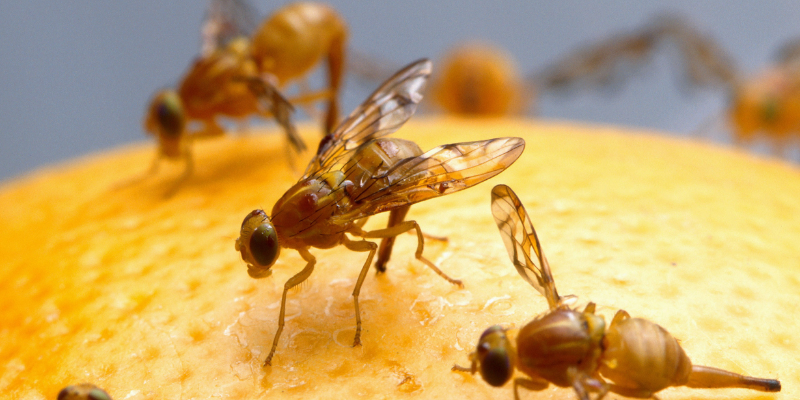
San Diego County growers and produce handlers are waking up Tuesday to a new compliance reality: a 77-square-mile quarantine zone, effective immediately, after state and federal inspectors confirmed a breeding-capable population of Mexican fruit flies in La Mesa. The find was five flies, including at least one mated female, which was enough to set the full government eradication machinery in motion.
The quarantine boundary runs from the San Diego River in the north to Sweetwater Reservoir in the south, and from Interstate 15 eastward to El Cajon. Anyone moving susceptible commodities out of that zone, whether a packing shed, a distributor, or a roadside stand is now operating under state restrictions.
The Commercial Impact
For the commercial sector, this is not a situation to monitor from a distance. Growers, wholesalers, retailers, and nurseries dealing in Mexican fruit fly host plants all fall under the quarantine. Produce cannot leave the zone without meeting compliance requirements, and anyone already mid-shipment should confirm with their county agricultural commissioner whether loads originating from within the boundaries require inspection or additional documentation.
The timing matters. San Diego County produces significant volumes of avocados, citrus, and specialty crops year-round. A quarantine of this size, covering dense suburban agricultural corridors, creates logistical friction even when producers are fully compliant. Shippers and brokers sourcing from the region should verify the origin of any incoming loads this week.
How the Eradication Program Works
California has dealt with Mexican fruit fly incursions before, and its playbook is well-established. The state will flood the infested area with sterile male flies, roughly 250,000 per square mile each week, across up to 50 square miles. Sterile males compete for mates in the wild but produce no viable offspring, gradually draining the wild population until it collapses.
On the chemical side, properties within 200 meters of a confirmed detection will be treated with Spinosad, an organic-approved insecticide produced from naturally occurring soil bacteria. It’s worth noting for organic and transitional operations in the zone: Spinosad is on the National Organic Program’s approved materials list, which should limit any certification concerns, but affected growers should still document the application with their certifier.
Within 100 meters of properties where larvae or mated females were found, all host fruit will be physically removed. This is the bluntest tool in the kit, and it can catch backyard trees on residential properties as well as commercial orchards. If your operation is close to the detection epicenter, expect inspectors to be on-site soon.
The Stakes for California Agriculture
Mexican fruit fly is not a niche threat. The pest can work its way through more than 50 fruit and vegetable crops, and an established population in Southern California would trigger trade restrictions with other states and potentially foreign markets; the kind of downstream disruption that ripples far beyond San Diego.
These detections almost always trace back to international travelers who unknowingly or knowingly carry infested fruit across the border. It’s a frustratingly recurring entry point that the industry has little direct control over. What the industry can control is response time, and the early detection here gives eradication crews a fighting chance.
Action Items for Ag Businesses in the Region
If you operate within or source from the quarantine zone, here are the immediate steps to take:
- Verify your exact location against the CDFA quarantine map at cdfa.ca.gov/plant/mexfly/regulation.html before moving any susceptible commodities.
- Contact the San Diego County Agricultural Commissioner’s office for guidance on compliance requirements for commercial shipments originating within the zone.
- If your operation is within 200 meters of a confirmed detection, expect to be contacted about Spinosad treatment — coordinate with your organic certifier if applicable.
- Document everything. Quarantine compliance records will matter if restrictions evolve or if commodity buyers begin requiring origin certifications.
- Suspect larvae or adult flies on your property? Call the state Pest Hotline at 1-800-491-1899 immediately; early reporting shortens the eradication timeline.