
Growers Sound the Alarm: Prop 50 Passes, Threatening California Farm Representation
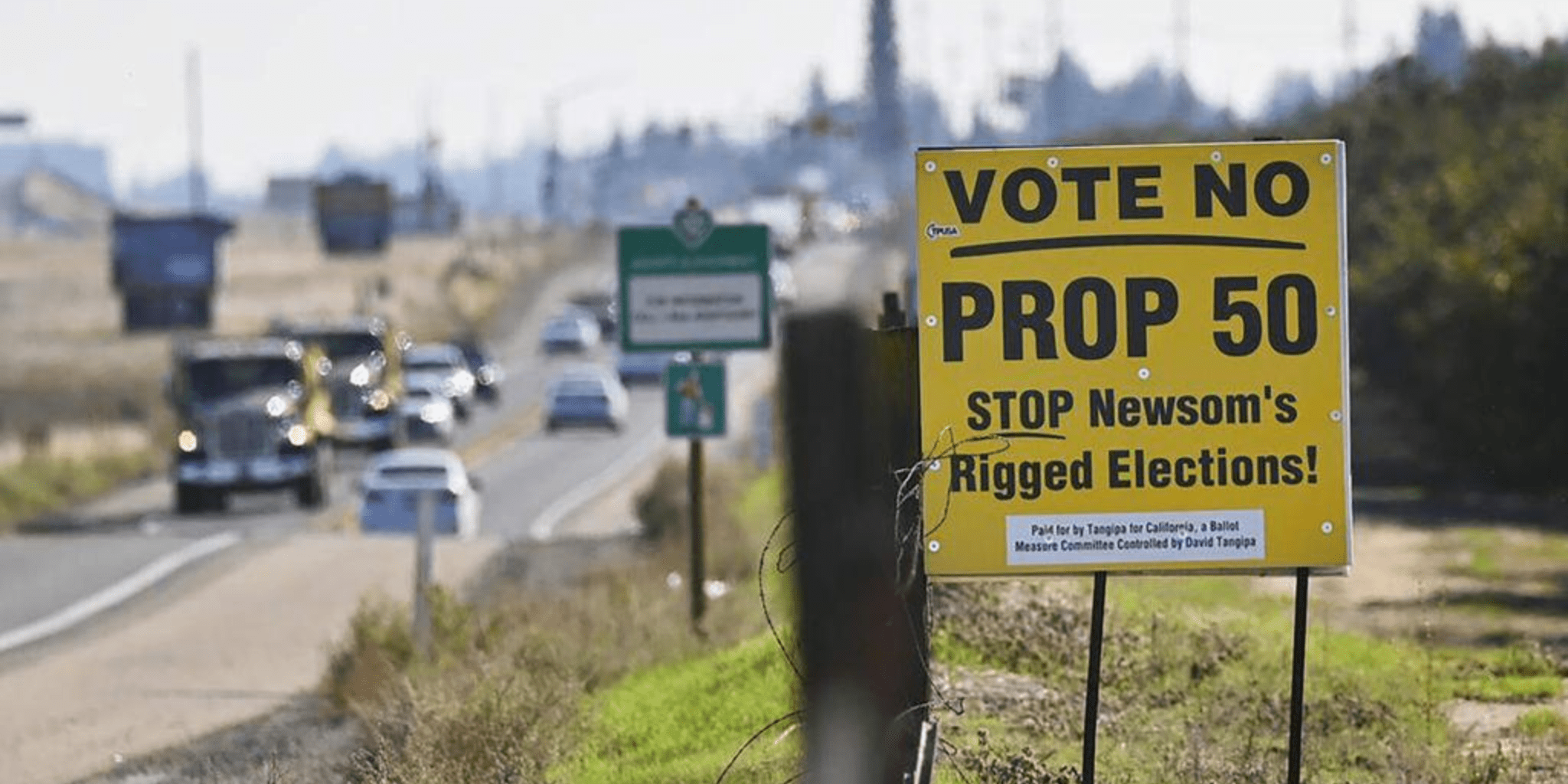
With Proposition 50’s passage, California’s agricultural communities face a new political landscape — and growers are bracing for the consequences.
When California voters approved Proposition 50 on November 4, the impact reached far beyond Sacramento’s political arena. For growers in the state’s heartland — especially in the Central Valley — the measure signals a structural shift in representation that could affect access to water, infrastructure, labor policy and federal advocacy.
The measure authorizes the use of legislatively‑drawn congressional district maps starting in 2026, temporarily suspending the responsibility of the California Citizens Redistricting Commission (CRC) until after the 2030 census.
The statewide agriculture sector union, the California Farm Bureau Federation (CFBF), representing more than 26,000 farm and ranch families, immediately voiced its concern. CFBF President Shannon Douglass stated: “While we respect the will of the voters, the passage of Prop 50 represents another setback for Californians, particularly those in rural areas. Fair and independent redistricting is essential to ensuring that lawmakers understand issues central to agriculture and rural communities, such as land use, water access, food production and rural infrastructure.”
For farmers and ranchers whose operations depend on a relationship with policymakers who understand the unique demands of harvest logistics, field labor, irrigation timing and commodity flows, this change is more than symbolic. It raises real‑world risks in the seasons ahead.
Why growers feel vulnerable
In agricultural regions such as the San Joaquin and Sacramento Valleys, the concern is that maps drawn under Prop 50 could combine farm‑country districts with urban or coastal areas whose policy priorities differ substantially from those of row‑crop, orchard or dairy producers. CFBF warns that when “communities hundreds of miles apart and with vastly different needs are grouped together, the voices of many Californians risk being left out.”
Independent analysis from the Public Policy Institute of California (PPIC) underscores the point: while Prop 50’s map changes mirror many of the existing map’s racial and geographic criteria, the key difference is procedural—less public hearing, less local input—and that means farm‑communities may have less opportunity to assert their “community of interest” during the map‑drawing process.
For growers whose daily concerns include labor scheduling, water deliveries, equipment logistics and access to export infrastructure, representation that understands those specifics matters. The shift increases the likelihood that agricultural concerns could become diluted in larger, more urban‑anchored districts.
What this means for farm operations now
With the new representation landscape in place, several practical implications emerge for California growers:
- Representatives who cover newly drawn districts may not have deep connections to agriculture, meaning lobbying for issues like irrigation infrastructure upgrades, labor workforce stabilization, or crop harvesting logistics may require more groundwork.
- Federal and state policy priorities may tilt toward denser population centers within a given district, potentially making it harder for farm‑region needs to attract attention unless growers build strong, early relationships with elected officials and staff.
- As the new maps will remain through at least the 2030 cycle, growers face multiple seasons under this representation regime — meaning timely advocacy, outreach and education of new legislators are essential.
For example, CFBF states it will continue to “work to ensure rural and agricultural communities are represented across all levels of government, no matter who is in office.”
What growers should do now
To stay ahead of this change, farm and agribusiness leaders are advised to:
- Identify the new congressional district(s) under Prop 50 for their operation and determine who the representative and staff will be in 2026.
- Begin outreach immediately to introduce agricultural operations, highlight local concerns (labor, water, harvest transport, soil health) and set the stage for the first farm‑focused field briefings.
- Collaborate with county farm bureaus and commodity organizations to ensure the region’s voice isn’t lost. Shared messaging helps rural representation remain visible.
- Monitor policy proposals and infrastructure funding that may flow through the new districts. Make sure agricultural needs are positioned prominently.
Bottom line
For California’s growers, the passage of Proposition 50 is far from an abstract election story. It’s a shift in how their region will be represented at the federal level — during harvest seasons, labor negotiations, export cycles and water‑delivery years. As the Farm Bureau warned, “fair and independent redistricting is essential” to ensuring that lawmakers understand agricultural communities’ needs.
Now is the time for growers to act: representation has changed, and the future of funding, infrastructure and rural policy will be shaped by how visible and proactive the agricultural voice remains.