
Chill Hours Update for California Pistachios with Diversified Land Management & President Clay Beck
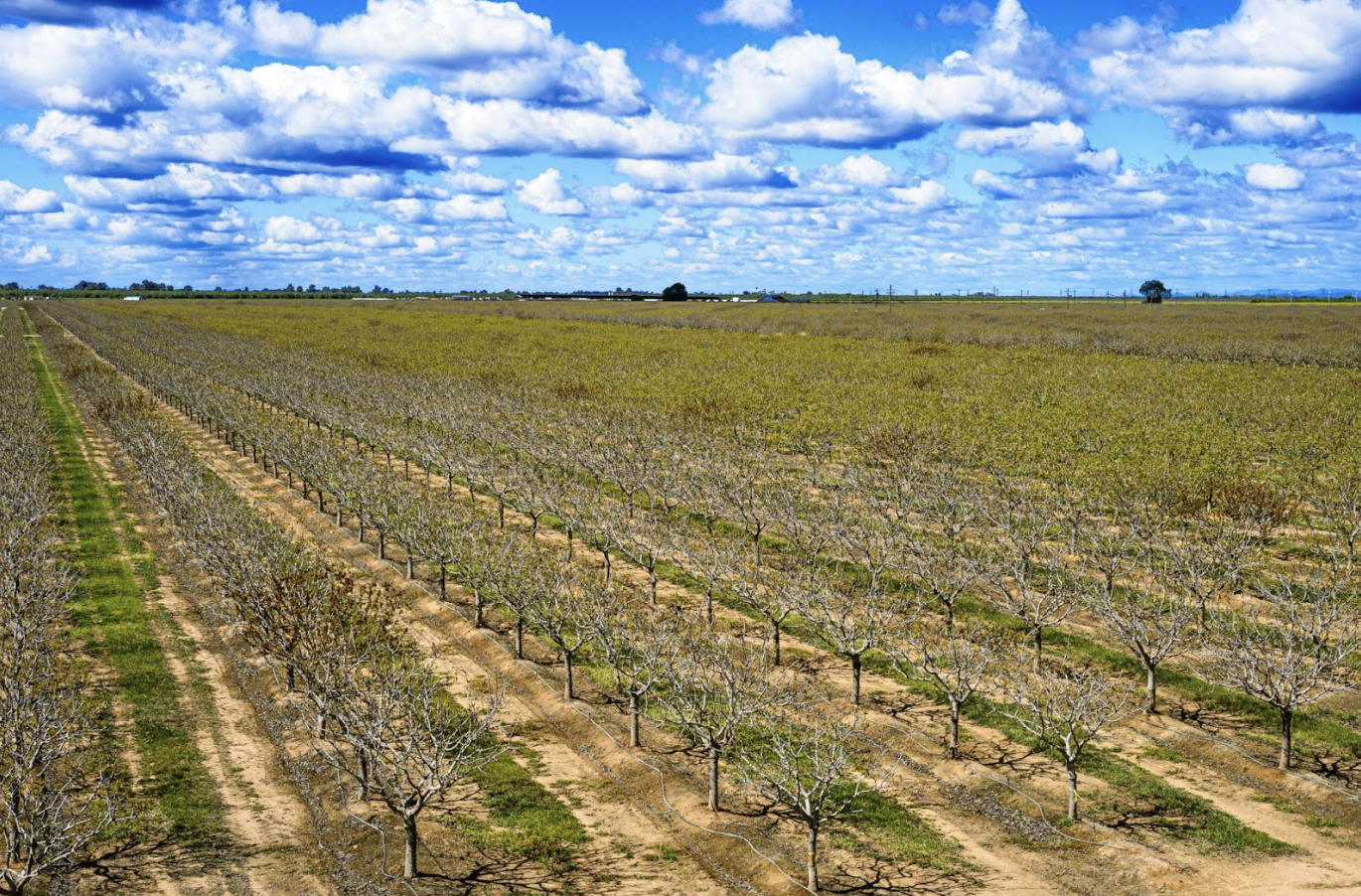
As we approach February, it’s critical for California pistachio growers to understand where we stand on winter chill accumulation. Chill hours directly impact bloom timing, pollination, and ultimately, yield.
We connected with Diversified Land Management and President Clay Beck to break down what this season’s chill looks like—and what growers should be watching as we move closer to bloom.
What Are Chill Hours?
In pistachio production, “chill” refers to the adequate dormant period that occurs between November 1st and March 1st. During this window, trees must accumulate enough cold exposure to properly reset for the next growing season.
This rest period allows the tree to:
- Synchronize bud development
- Support strong male and female bloom
- Encourage proper pollination overlap
- Set the stage for uniform nut development
Without adequate chill, bloom can become uneven, delayed, or poorly synchronized.
How Is Chill Measured ?
Clay Beck emphasizes two primary chill models used in California pistachio production:
1️⃣ The Traditional Model: Hours Below 45°F
Often referred to as the “old school” method, this model simply totals the number of hours temperatures fall below 45 degrees during the dormancy window.
It’s straightforward and widely used—but it doesn’t account for temperature fluctuations or partial effectiveness at different temperature ranges.
2️⃣ The Dynamic (Portion) Model
The portion model assigns different chill values to different temperature ranges, recognizing that not all cold temperatures contribute equally to dormancy.
This method is considered more refined and often gives a better real-world representation of how the tree is responding to winter conditions.
What Does “Good Chill” Mean for Pistachios?
Adequate chill allows the male (Peters) and female (Kerman) varieties to bloom properly and overlap effectively. Good synchronization means:
- Strong pollen shed
- Proper female receptivity
- Reduced blanking
- Better nut set
- Improved yield potential
Chill Targets to Watch:
Traditional Model (Below 45°F):
- Peters (male): ~900 hours
- Kerman (female): ~750 hours
Portion Model:
- Peters: ~69 portions
- Kerman: ~59 portions
Meeting these benchmarks helps ensure bloom timing lines up and pollination occurs under optimal conditions.
How Is 2026 Tracking So Far?
This year’s chill accumulation is tracking close to the 2025 crop year. We are currently sitting about average in both traditional hours and portions.
However, one notable difference this season has been fog patterns across the Central Valley.
Does Fog Boost Chill?
Fog can play a factor by:
- Keeping temperatures consistently cooler
- Extending periods within effective chill ranges
- Reducing daytime heat spikes that negate chill accumulation
In certain scenarios, extended fog cover can help improve chill efficiency—but final totals will ultimately determine how effective this winter has been.
What Happens If Chill Is Inadequate?
The true impact of winter chill becomes visible months later—at harvest.
Signs that may point back to insufficient chill include:
- High blanking
- Low shell split
- Reduced yield
- Uneven maturity
While many factors influence harvest outcomes, poor chill accumulation during dormancy can set off a chain reaction that affects the entire season.
Why This Matters Now
As we move deeper into February, monitoring chill totals allows growers to:
- Prepare for potential bloom delays
- Adjust management strategies
- Evaluate crop expectations early
- Plan labor and inputs accordingly
Understanding where we stand today gives insight into how bloom and pollination may unfold in the weeks ahead.
Looking Ahead to Harvest
While current chill numbers are tracking near average, the real story of this winter won’t fully unfold until harvest.
The increased fog patterns we’ve experienced this season could play a meaningful role in how the 2026 crop develops. Whether that extended cool coverage ultimately enhanced chill accumulation—or created other variables—will become clearer as we evaluate bloom performance, nut set, and final yields.
As always in California agriculture, winter conditions lay the groundwork—but harvest tells the truth.
The 2026 pistachio harvest will ultimately give us a clearer picture of how this season’s chill and fog patterns shaped the crop.