
California’s Almond Industry Faces a Shocking Decline — New Acreage Report Reveals a Trend No One Saw Coming
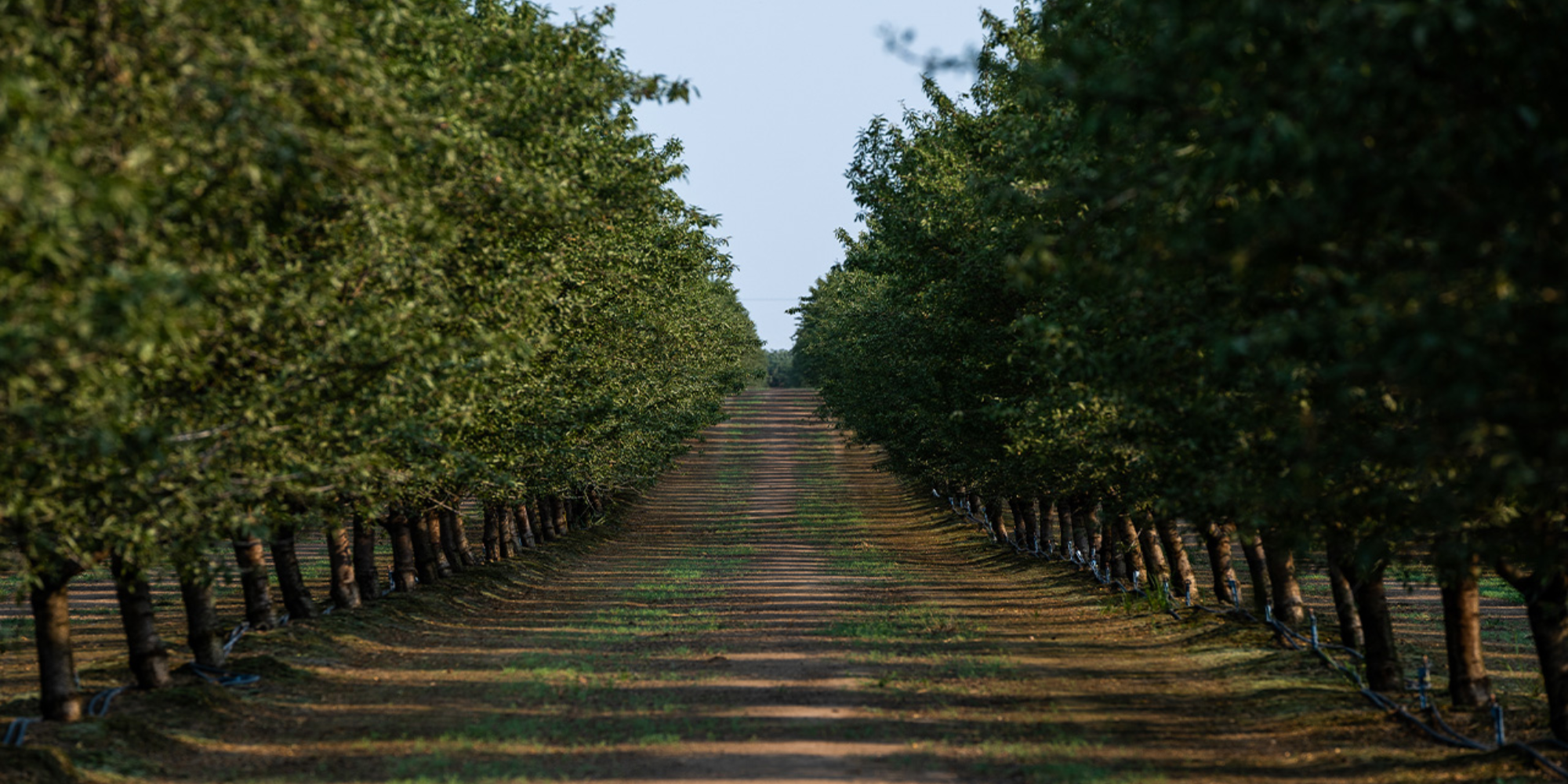
Almond Acreage Drops for the Fourth Straight Year
California’s almond industry just received another wake-up call. According to the latest standing-acreage report from Land IQ and the Almond Board of California, total almond acreage has fallen to 1,505,997 acres in 2025 — marking the fourth consecutive year of decline. This drop from 1,525,638 acres in 2024 highlights a continuing contraction in one of the state’s most important agricultural sectors.
Bearing Acreage Rises — But So Does Potential Abandonment
Although bearing acreage increased slightly to 1,401,097 acres, the report also notes that nearly 19,927 acres may be classified as “potentially abandoned.” These are orchards still standing but no longer being actively managed — a growing indicator of the financial and environmental pressures squeezing producers across the state.
A Sharp Drop in New Plantings Raises Long-Term Concerns
Perhaps the most concerning trend is the rapid decline in non-bearing acreage — the young orchards that represent the future of the industry. Non-bearing acreage has fallen to 104,900 acres, down dramatically from 142,306 acres the year prior. With fewer new orchards being established, California is setting itself up for significantly lower production potential in the coming years. Meanwhile, orchard removals continue at a brisk pace, with nearly 49,200 acres pulled out in 2025 alone.
Why Almond Growers Are Pulling Back
Rising production costs, tightening water regulations, labor challenges, and market uncertainty are combining to create one of the toughest economic climates almond growers have faced in decades. Many producers report that input costs — from irrigation to fertilizer to energy — have pushed orchard profitability to the brink. These pressures have made new plantings far riskier, while longtime orchards become more difficult to sustain. Even so, analysts point out that global demand for California almonds remains resilient, meaning reduced acreage could reshape pricing and supply-chain dynamics going forward.
What This Means for the Future of California Almonds
If the current trend continues, the almond industry may be entering a major transitional era. Lower acreage today could translate into tighter supply tomorrow, potentially shifting market behavior, influencing contract pricing, and altering long-term planting strategies. Some growers are diversifying into other crops, while others are waiting to see whether reduced supply will ultimately strengthen market positions. What’s clear is that the almond landscape is changing — and quickly.
Continuing the Conversation at The Almond Conference
With so much evolving within the almond sector, The Ag Center will be attending The Almond Conference on December 10–12. This major industry gathering comes at the perfect moment to address the challenges shown in this year’s acreage report — and explore how growers can adapt to a rapidly shifting environment. Since almonds remain central to California agriculture and to many of our audience members, we hope to connect with you there and keep this important conversation moving forward.