
California’s 2026 Tomato Processing Outlook: Contracts Pull Back, Inventories Rebalance, and Market Signals Shift
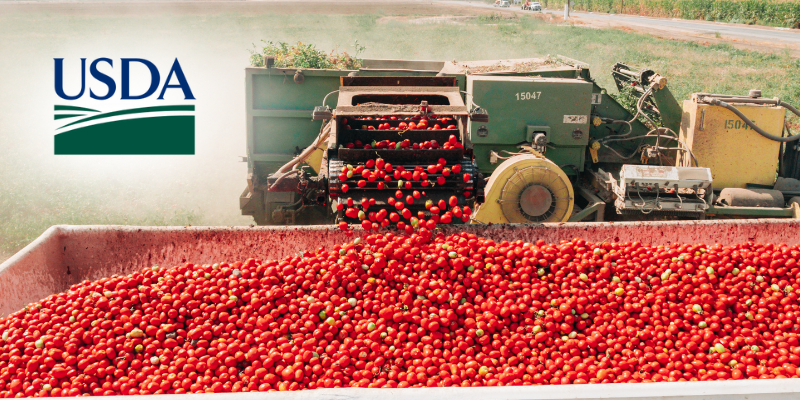
The 2026 California Processing Tomato Report, released by the United States Department of Agriculture’s National Agricultural Statistics Service (USDA-NASS) on January 23, 2026, reveals a notable downturn in contracted production and acreage for the upcoming processing season. This early industry snapshot underscores structural adjustments underway in one of the nation’s most critical vegetable processing sectors.
Sharp Decline in Contracts and Acreage
According to the 2026 report, California tomato processors report contracts for approximately 9.8 million tons of processing tomatoes, marking an 11% decrease from the 11.0 million tons projected in the August 2025 forecast.
- Contracted acreage is forecast at 185,000 acres, down 10% from 205,000 acres in 2025’s August projection.
- Average yield expectations remain robust at about 53 tons per acre, suggesting processors and growers still anticipate strong field performance despite the reduction in contracted acreage.
Taken together, this contraction reflects a strategic pullback by processors in response to evolving supply and demand dynamics across both domestic and global markets.
Historical Context
Historically, contracted production has fluctuated with market conditions, disease pressures, weather patterns, and inventory levels. When compared with previous years, the 2026 forecast continues a multiyear trend of tightening acreage and tonnage from the highs seen earlier in the decade.
Inventory and Market Signals
Preliminary industry sources indicate a recalibration of inventories as of December 1, 2025, balancing between processing outputs from the 2025 season and expected demand for tomato products. While USDA AMS shipment and inventory figures are ongoing, early AMS fax reports show sustained movement of fresh tomatoes through major shipping points, including imports from Mexico and domestic distributions — key components influencing processing raw material markets.
Price and Consumption Trends
Broader tomato pricing trends also provide context for processor decisions. USDA Economic Research Service data highlights softer FOB shipping-point prices for conventional tomato types in late 2025, especially for plum/roma and grape tomatoes, alongside modest changes in marketed retail prices. These lower price points reflect a competitive environment that may influence contracted production decisions in processing segments.
Meanwhile, general market price assessments show retail tomato prices in the U.S. ranging widely due to variety, region, and seasonal conditions. This variability underscores how retail demand influences upstream contract strategies.
Industry Perspectives
Industry commentary captured in the TomatoNews report frames the 2026 contraction as a roughly 15% reduction in tonnage relative to recent forecasts — a signal that processors are reacting to oversupply concerns from recent years and recalibrating expectations for 2026.
Implications for Growers and Processors
For growers, the lower contracted acreage and tonnage may necessitate careful planning around crop selection, rotation, and input management to align with reduced processing commitments.
For processors, the shift likely reflects a balancing act: aligning supply with softened demand for processed products, managing inventory from the 2025 season, and reacting to volatile pricing and shipment trends in both domestic and export markets.
Looking Ahead
Final harvested and production data for the 2026 crop will become available with the USDA’s Vegetables Annual Summary in early 2027. Until then, the January report serves as a leading indicator of market expectations and strategic shifts within the processing tomato supply chain.