
California Releases Landmark Climate Resilience Strategy for Agriculture
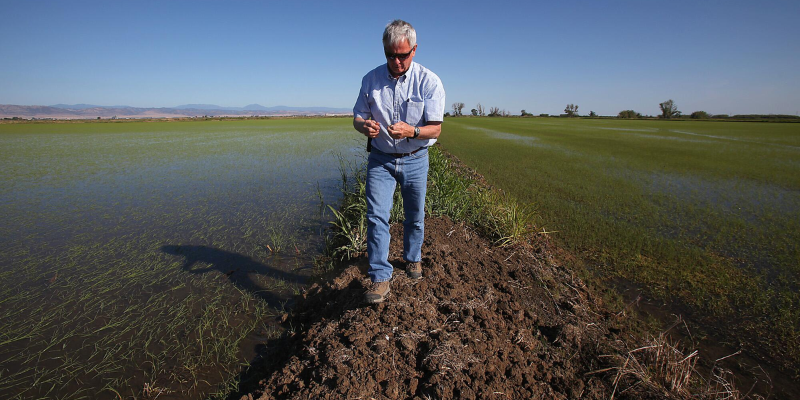
In one of the most significant moves for California agriculture in recent years, the state’s top farming agency has unveiled a comprehensive blueprint for protecting the industry against the escalating threats of climate change. This past Thursday, the California Department of Food and Agriculture (CDFA) officially published its Climate Resilience Strategy for California Agriculture, which is a wide-ranging policy document that lays out how California intends to keep its farms, ranches, and food systems viable in a rapidly changing environment.
Why Now
California farmers and ranchers are facing an increasingly difficult landscape, including climate change effects as well as perennial challenges like the cost of inputs and other economic uncertainties.
The scale of what’s at risk is staggering. The historic drought of 2020–2023 alone led to the fallowing of over 750,000 acres and generated an estimated $3 billion in economic losses. But drought is just one piece of the problem. Extreme weather events such as flooding, freezes, and heat waves can spell disaster for crops and livestock, while wildfires, whether in urban regions like Los Angeles or rural valleys and foothills, can imperil farms outright, with smoke and wind capable of damaging crops, as happened with grapes in Wine Country in 2020. On top of that, climate-driven increases in pest pressure cost growers and the state millions to combat.
What the Strategy Does
The document provides a comprehensive overview of state actions designed to help the agricultural community prepare for, respond to, and thrive under the many conditions imposed by climate change — from uncertainty about water supply and drought, to extreme weather events, wildfires, flooding, and more.
The strategy is organized under three pillars:
Pillar 1 — Support a Thriving and Resilient Food Sector
Pillar 2 — Protect Natural Systems Critical to Agriculture
Pillar 3 — Encourage Resilient Agricultural Practices
Each pillar has Key Objectives representing a unique aspect in the agricultural system, such as animal health, pest management, or supporting the agricultural workforce. These Key Objectives have associated strategies and actions that align under one or more of four overarching goals: provide health and environmental benefits, improve the bottom line for farmers, reduce greenhouse gas emissions, and support economic development.
The Strategy builds upon California’s Ag Vision 2030, which prioritizes “fostering climate smart, resilient, and regenerative food systems” that can help mitigate climate change, improve soil health, restore biodiversity, enhance ecosystems, and contribute to human health.
Who Was Involved
This wasn’t developed in a vacuum. The Strategy was developed with input from farmers and ranchers, nonprofits, technical experts, state agencies, and more, to ensure that the key objectives, goals, strategies, and actions reflect stakeholder input and needs.
The document also highlights connections beyond the state level — exploring connections with local, statewide, federal, and private-sector initiatives, and providing Equity Principles to incorporate equity considerations into projects, programs, policies, and more.
Secretary Ross Speaks
CDFA Secretary Karen Ross framed the release as both a celebration and a call to action. “The Strategy celebrates the importance of what agriculture does for California every day and also acknowledges the tremendous challenges that California agriculture is facing today,” Ross said. “This Strategy focuses on how we bring together all that we’ve learned about climate smart agriculture and the ability for agriculture to be a part of the climate solution.”
The Big Picture
The sheer scale of California agriculture means there’s a lot at risk, but it also means this sector can meaningfully contribute to curbing climate change. That dual framing, agriculture as both vulnerable and part of the solution, runs throughout the document and represents a notable shift in how California is positioning its farming industry in state climate policy.
The full strategy is available for download directly from the CDFA at cdfa.ca.gov/climate