
Beef Supply Shakeup: JBS Announces Shutdown of Major California Processing Facility — 374 Jobs at Risk
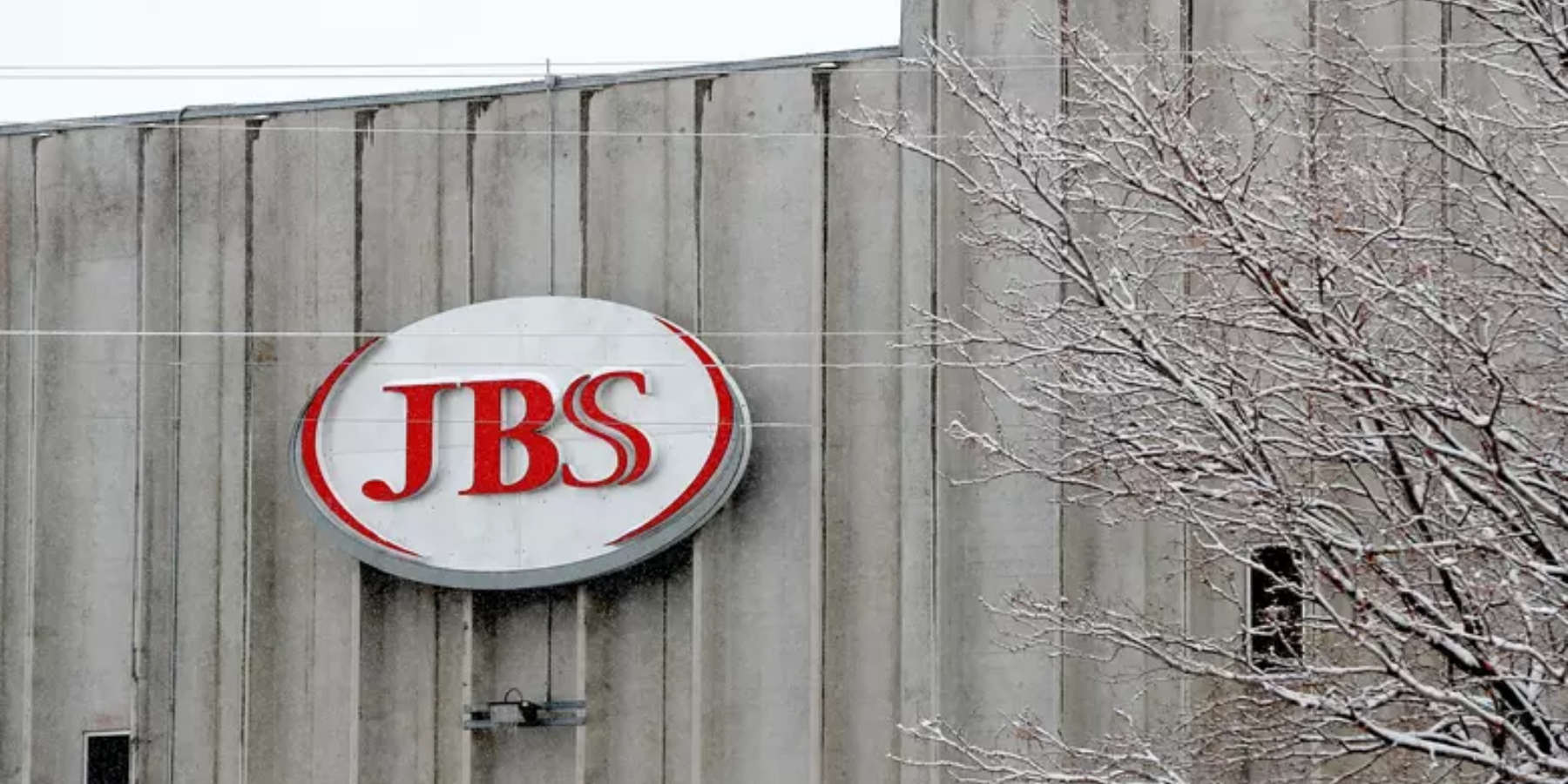
In a major development this week for California’s agriculture and food supply chain, global meat industry leader JBS USA has confirmed it will permanently close its Swift Beef Company beef processing facility in Riverside, California, effective February 2, 2026. The move will eliminate 374 jobs and represents a significant shift in the West Coast’s meat processing infrastructure.
Strategic Closure Amid Industry Repositioning
In a formal notice filed with the California Employment Development Department, JBS indicated the closure is part of a broader plan to “optimize its value-added and case-ready business and simplify operations across its network.” The Riverside facility — which specializes in preparing beef for retail sale rather than slaughtering cattle — is set to cease operations at the beginning of next year.
According to industry reports, JBS will shift production to other facilities to ensure continuity of supply and service for customers, and affected employees will be eligible for positions at other company locations.
Why This Matters
Tight Cattle Supplies & Market Pressures
The closure occurs against the backdrop of reduced U.S. cattle inventories, which have pressured processors with higher procurement costs. Persistent drought conditions and restrictions on cattle imports have contributed to cattle herds shrinking to multi-decade lows, pushing beef prices to record levels.
While JBS officials have stressed the Riverside closure is a strategic operational decision rather than a direct result of cattle shortages, the broader market context cannot be ignored.
Impact on Workers and Local Economy
The shutdown of the Riverside plant carries immediate implications for the local workforce. The loss of 374 jobs represents a meaningful blow to the region’s labor market, especially with the closure coming just after the holiday season.
JBS has communicated that team members interested in relocation will be supported, and those who remain through the transition will receive incentives. However, the full impact on families and community spending remains to be seen.
Broader Industry Trends
This closure comes amid a wave of capacity shifts across the U.S. meatpacking sector. In recent weeks, rival processor Tyson Foods also announced closures and reductions in beef plant operations across states like Nebraska and Texas, part of similar rationalization efforts in the face of market pressures.
What Comes Next
With production redirected to alternate facilities, JBS aims to maintain product quality and delivery timelines for its customers. Still, analysts suggest the consolidation of processing capacity may contribute to continued price volatility in beef markets in 2026.