
April Citrus Update: Strong Demand, Steady Prices & What’s Coming Next from California
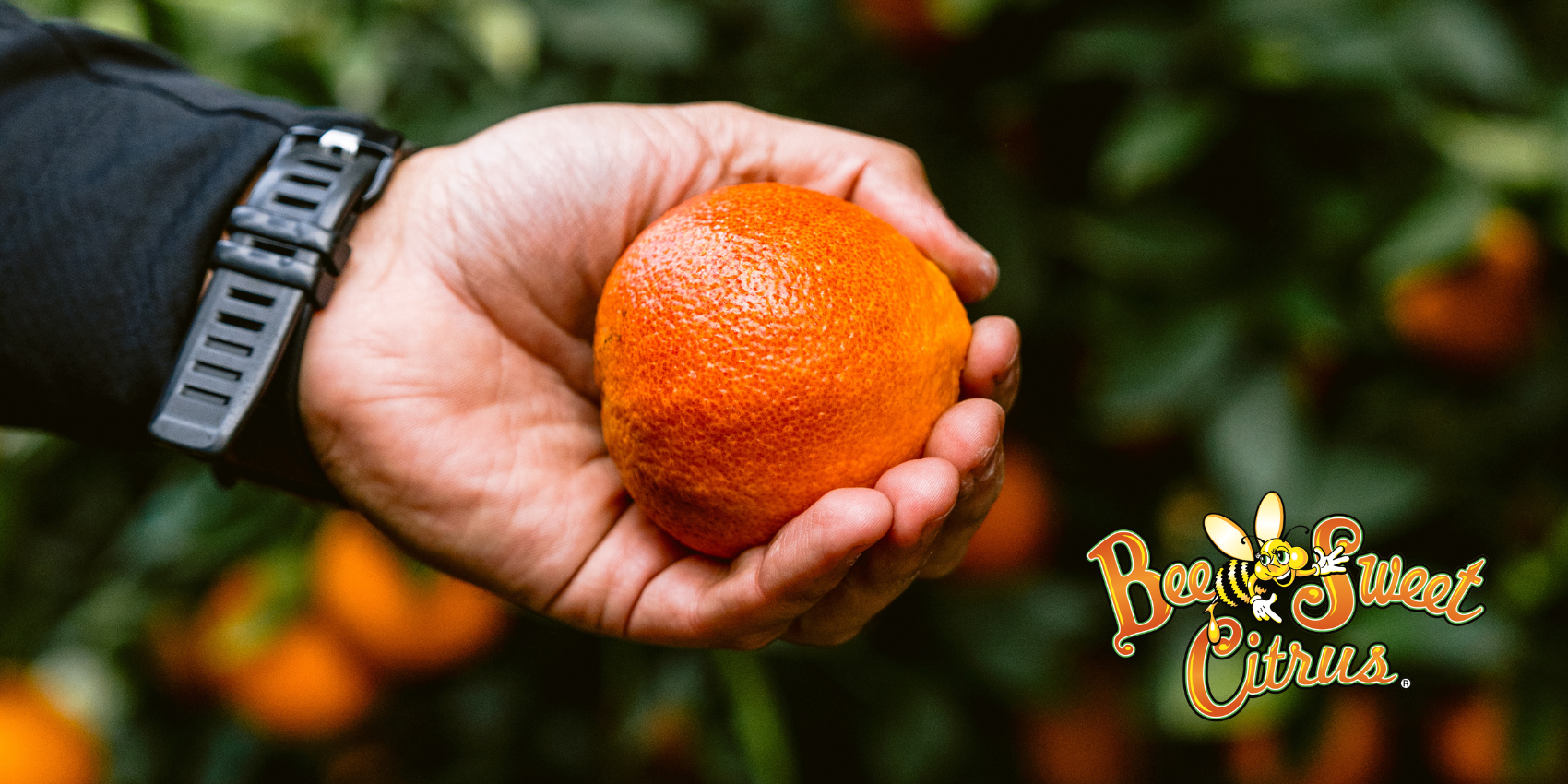
April Citrus Market Update | In Partnership with Bee Sweet Citrus
As we move deeper into spring, we’re checking in with our friends at Bee Sweet Citrus out of Fowler, California for their latest read on the market. Randy Stucky, Director of Harvesting and Grower Relations at Bee Sweet, gave us an on-the-ground update on where the season stands and what’s ahead.
Where the Season Stands
According to Randy, Bee Sweet is in the final stretch of their busy season and it’s been a strong one overall.
“We are coming into the final stretch of our busy season. We are still harvesting all varieties, but some of our specialties will finish up in the next few weeks. Prices have been holding steady and we are still seeing strong demand across the board.”
That steady demand is showing up across nearly all major varieties. Randy noted strong movement on Navel oranges, Cara Caras, Lemons, Grapefruit, and Mandarins, with supply still available on most items despite being on the downhill side of the season.
This aligns with broader market signals from California Citrus Mutual’s Week 14 Report, which noted that overall lemon demand has been strong this spring, even as the industry navigates some size-related challenges in certain growing districts.
Weather & Condition Challenges
Not everything has been smooth sailing. Randy pointed to some notable weather-related hurdles that have added complexity to this season’s harvest.
“Yes, we had a long stretch of foggy, overcast weather at the start of the season. That, along with a mild winter, has caused some fruit to have condition issues like showing signs of aging earlier than normal and growing out of size.”
These are challenges the wider California citrus industry has been tracking as well. Warm, early-bloom conditions across parts of the San Joaquin Valley have been widely observed this spring. Size inconsistencies in particular have been an ongoing concern industrywide, with growers and shippers working to manage sizing as fruit matures faster than typical seasonal patterns.
It’s worth noting that California continues to lead the nation in fresh citrus production, accounting for the vast majority of domestic fresh-market output, which means when weather patterns shift here, the ripple effects are felt across the country’s produce supply chain.
Looking Ahead: The Next 30–60 Days
Randy shared a variety-by-variety outlook for the weeks ahead, giving buyers and retailers a clear picture of what’s winding down and what still has legs:
“In the next 30 days we will finish harvesting some specialty varieties like Minneola tangelos and Pummelos. In the next 60 days, we should be done picking Cara Caras and finishing up Mandarins. We will continue to have a consistent supply of Navels, Valencia oranges, Grapefruit, and Lemons through that timeframe, and beyond.”
This transition window is a natural and expected part of the California citrus calendar. As specialty and winter varieties wrap up, the baton passes to the spring and early summer workhorses, Valencias, Navels, Lemons, and Grapefruit, which will carry the market through the coming months.
For buyers planning promotional windows or category features, now is the time to lock in on those transitioning specialties before they’re gone, while building longer-horizon plans around the varieties with extended availability.
Broader Industry Context: What’s on the Horizon
While Bee Sweet’s position heading into late spring is solid, the broader California citrus industry is navigating a more complex macro environment that’s worth keeping on the radar.
On the import side, the USDA Foreign Agricultural Service forecasts U.S. tangerine and mandarin imports to reach record levels this marketing year projected up roughly 4% to 555,000 metric tons, which would account for nearly half of all fresh mandarin consumption in the U.S. As California’s domestic mandarin harvest winds down, Southern Hemisphere fruit from Chile and Peru will begin arriving in volume through the summer months to bridge supply.
On the trade front, California Citrus Mutual has noted that while some import duties exempt certain agricultural commodities, the distinctions between fresh-market and juice-market oranges are nuanced and advocacy is ongoing to ensure policymakers understand the fresh citrus supply chain specifically.
On the cost side, it’s no secret that input costs have climbed significantly over the past several years such as labor, fuel, water, and compliance costs have all moved higher. California Citrus Mutual data indicates that production costs for navel growers have increased considerably since 2020. These pressures make consistent, strong demand, like what Bee Sweet is currently seeing, all the more important for the long-term health of California’s citrus-growing community.
The good news: California remains the undisputed leader in U.S. fresh citrus, representing the large majority of domestic production, and consumer demand for fresh, locally grown citrus continues to be a reliable foundation for the market.
A Note on Mandarins
One variety category worth watching closely is mandarins. Consumer preference for easy-peel, seedless snacking varieties has driven strong growth in this segment for years, mandarins now rival Navel oranges as the most consumed fresh citrus in the U.S. However, with domestic mandarin production forecast down this season following last year’s bumper crop, and imports projected at record levels to fill the gap, the competitive landscape for this category is particularly dynamic heading into the summer.
For retailers and buyers, that means availability shouldn’t be a concern, but sourcing strategy and origin may matter more than usual as the season turns.
Summary
- Current status: Final stretch of the season; prices holding steady, demand strong across varieties.
- Varieties wrapping up: Minneola tangelos, Pummelos (next 30 days); Cara Caras, Mandarins (next 60 days).
- Varieties with continued supply: Navel oranges, Valencia oranges, Grapefruit, and Lemons are available through and beyond the 60-day window.
- Challenges to watch: Early aging and sizing issues tied to foggy/mild early-season weather; import competition; rising production costs industrywide.
- Bigger picture: California continues to anchor U.S. fresh citrus supply, and partners like Bee Sweet remain committed to consistent, quality supply through the transition to late spring and summer.
For more information on Bee Sweet Citrus and their full lineup of California-grown varieties, visit www.beesweetcitrus.com. Stay connected with the Ag Center News for ongoing market updates from our trusted industry partners.