
Federal Report Outlines Five Options for Colorado River Post-2026 Management
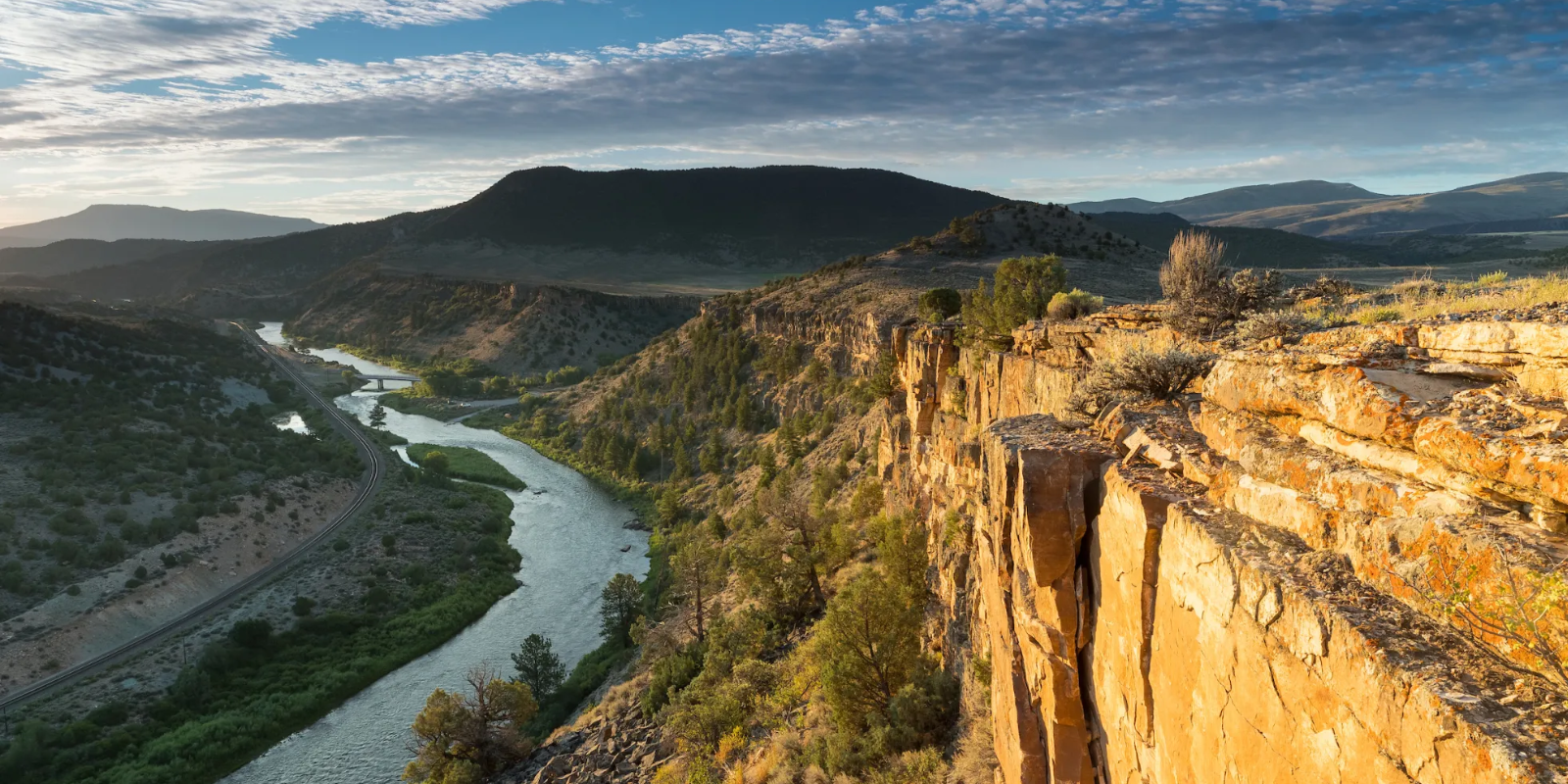
On Friday, the U.S. Bureau of Reclamation published a draft environmental review that lays out five distinct alternatives for operating the Colorado River after the current water-management rules expire at the end of 2026. This marks a major milestone in a multi-year federal process intended to guide long-term management of water supplies from the river’s critically important reservoirs.
Why This Report Matters
The Colorado River provides water to more than 40 million people, irrigates millions of acres of farmland, supports Tribal Nations and ecosystems, and generates hydropower from major reservoir systems such as Lake Powell and Lake Mead. The 2007 Interim Guidelines that currently govern how these reservoirs are operated were agreed upon nearly two decades ago and are scheduled to expire at the end of 2026. Without a replacement framework, the river’s management could revert to less predictable and potentially destabilizing procedures.
In anticipation of this expiration, the Bureau of Reclamation has been engaged in a National Environmental Policy Act (NEPA) process to develop and analyze a range of alternatives that could form the basis of new operational guidelines. The draft report released Friday provides those options in detail and opens a public review and comment period.
The Five Proposed Alternatives
The five alternatives now under review span a broad spectrum of approaches for post-2026 river operations. They are designed to handle a wide variety of future hydrological conditions and balance the competing needs of states, Tribal Nations, agricultural users, municipalities and environmental resources.
- No Action Alternative
Under this approach — included as required by NEPA — the current interim guidelines would not be replaced. Instead, reservoir operations would revert to past annual operating plans based on historical procedures prior to 2007. This provides a baseline for environmental comparison. - Federal Authorities Alternative
This option would use Reclamation’s existing statutory authorities to protect critical infrastructure — such as Glen Canyon and Hoover dams — and manage water deliveries, even without a new interstate agreement. It’s designed to ensure minimum operational stability and risk management. - Federal Authorities Hybrid Alternative
Building on the previous option, this alternative also incorporates elements proposed by stakeholders, including Tribal Nations and federal partners, to distribute storage between reservoirs in a way that could enhance system flexibility. - Cooperative Conservation Alternative
This alternative reflects conservation-oriented proposals that emphasize shared contributions to stabilize reservoir storage. It anticipates broader participation from state agencies, water users and conservation groups and is targeted at managing water use while maintaining environmental and economic resilience. - Basin Hybrid Alternative
The Basin Hybrid combines concepts from proposals submitted by Upper Basin states, Lower Basin states and Tribal Nations. Its intention is to create a compromise framework that could serve as a foundation for broader consensus across all basin stakeholders.
Process and Next Steps
The release of these alternatives does not yet establish new rules — it begins a formal 45-day public comment period and is part of the broader Draft Environmental Impact Statement (EIS) process. Public input, technical analysis and ongoing negotiations among the seven Colorado River Basin states will inform the final EIS and the ultimate federal decision later in 2026.
Acting Bureau of Reclamation leadership has emphasized that a negotiated consensus among the basin states and Tribal Nations remains the preferred outcome, and that the five alternatives serve as a framework to help guide that process rather than dictate a single federal solution.
Why It’s Important to California and the Southwest
California is one of the largest users of Colorado River water, and decisions about post-2026 operations could influence how much water the state receives, how shortages are allocated among users, and how long-term drought and climate impacts are mitigated. The alternatives outlined in the federal report reflect differing priorities about risk management, conservation and shared responsibility among the basin states. While no final plan has been chosen, this report represents the most detailed federal blueprint to date for what long-term management of the river could look like.