
Westlands Water District Approves Major Solar Conversion Plan: A New Direction for California Agriculture
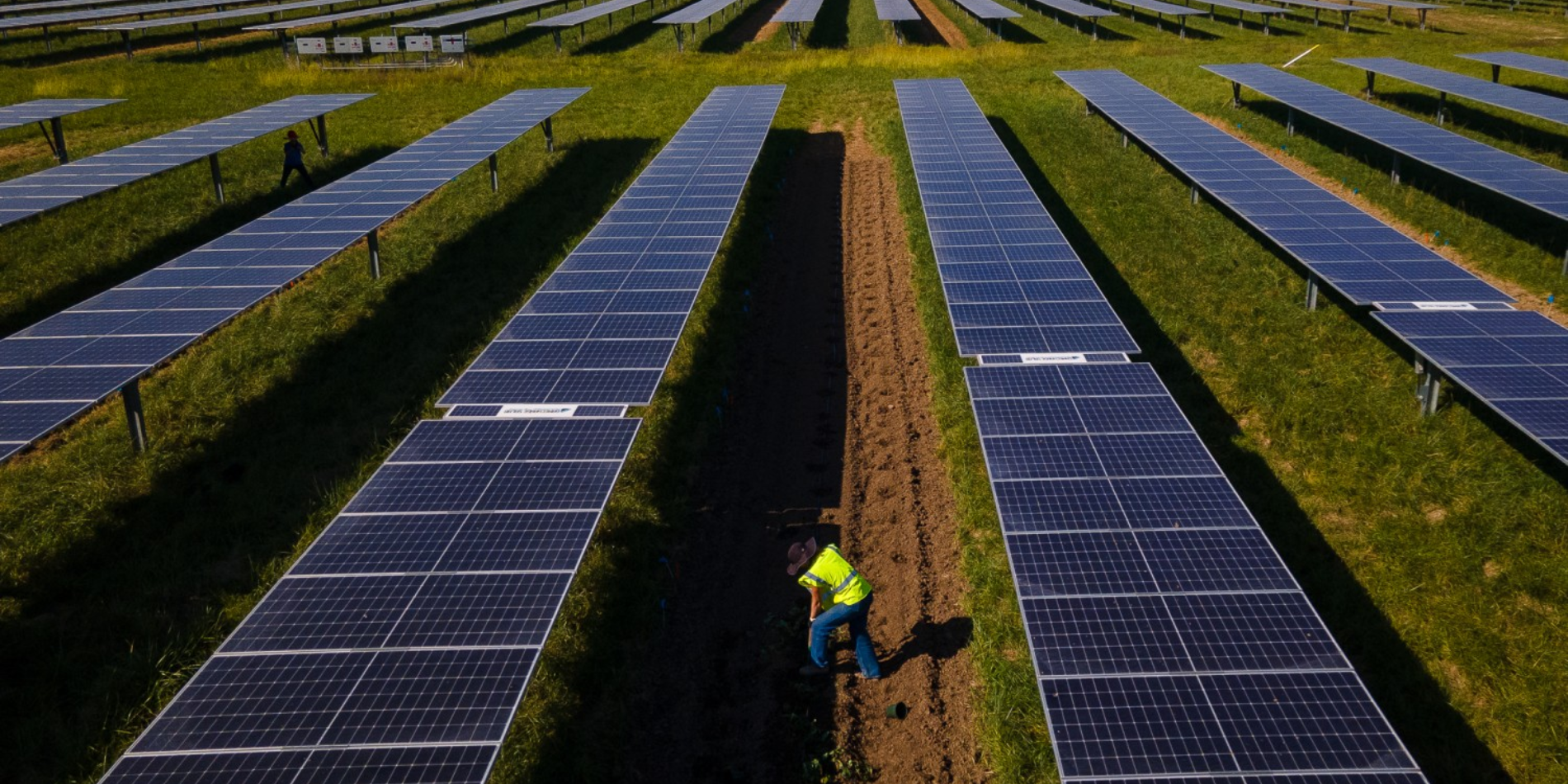
In a landmark decision that could reshape parts of California’s agricultural landscape, the Westlands Water District Board of Directors has approved the Valley Clean Infrastructure Plan (VCIP) — a proposal to repurpose a significant portion of farmland for large‑scale solar and energy infrastructure.
What Was Approved?
The Westlands Water District, the largest agricultural water district in the United States, voted to adopt the VCIP and certify the associated environmental review as required under state law. The plan authorizes the conversion of up to 136,000 acres of land that is currently water‑limited or otherwise unable to support irrigation into sites for solar energy generation, energy storage, and transmission infrastructure.
This acreage represents more than a quarter of the district’s irrigable land that has increasingly gone unused due to persistent water shortages and groundwater constraints driven by drought and the implementation of the Sustainable Groundwater Management Act (SGMA).
Why Solar? The Context of Water Scarcity
Over the past several years, Westlands farmers have faced chronic water limitations that have forced hundreds of thousands of acres out of production. According to the district’s board materials, more than 215,000 acres — nearly 38 % of irrigable land — went out of production this year alone due to lack of reliable water.
Solar energy provides an alternative use for land that is no longer productive under its traditional agricultural role. By redeploying unused land for renewable generation, the district aims to generate new revenue streams for landowners and support local economies that have been stressed by reduced crop production.
How Big Is the Project?
At full build‑out, VCIP could generate up to 21 gigawatts (GW) of renewable energy — enough to power millions of homes — and create thousands of both construction‑phase and permanent jobs throughout the region.
The plan also includes a community benefits commitment intended to ensure local communities share in the economic advantages of the clean energy transition, not just landowners or energy developers.
Goals Beyond Clean Energy
According to the draft program environmental impact report (PEIR), the VCIP’s objectives include promoting renewable energy consistent with state climate goals, supporting SGMA implementation by reducing pressure on groundwater supplies, and using lands that have been previously cultivated and now largely sit unused
The plan is designed to deliver up to 21 GW of solar capacity over the next decade or more, with an emphasis on energy generation, storage systems, and necessary transmission infrastructure.
Economic and Environmental Impacts
Supporters of the plan argue that deploying solar on large tracts of former farmland will provide economic stability for rural communities while helping California achieve its ambitious clean energy targets. The VCIP’s generation capacity alone — at 21 GW — would make a significant contribution to the state’s shift toward renewables.
The plan also aims to limit development pressure on previously undisturbed land, instead focusing on acreage that has already been altered through decades of agriculture.
Local Reception and Broader Implications
Reaction to the decision has been mixed. Proponents argue the plan offers a practical way to convert unused agricultural land into productive infrastructure in an era of water scarcity. Critics — including some local voices — have expressed concern about the impacts of large‑scale solar infrastructure on landscapes and rural character.
The VCIP represents a broader trend in California and beyond: as water becomes scarcer and climate goals grow more ambitious, planners and policymakers are rethinking traditional land uses and exploring ways to integrate energy and agriculture more strategically.
Conclusion
Westlands’ approval of the Valley Clean Infrastructure Plan marks a bold and potentially transformative pivot for central California’s farming communities. By repurposing unused farmland for renewable energy, the district is attempting to balance economic needs, environmental objectives, and the realities of a changing climate. Whether this model becomes a blueprint for other agrarian regions remains to be seen — but for now, the VCIP stands as one of the largest proposals of its kind in the state’s history.